AURA: Hentai Cards Screenshots
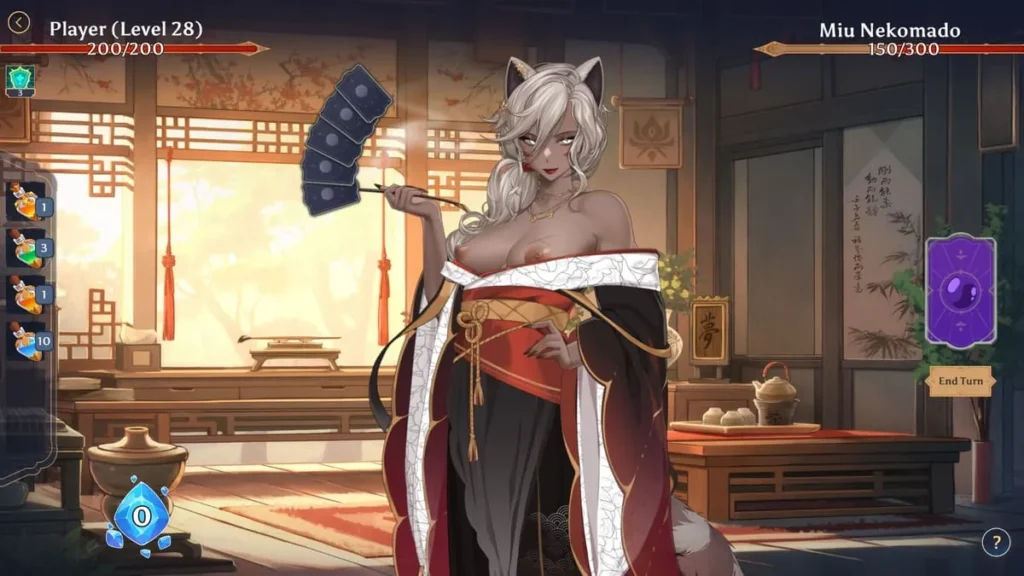
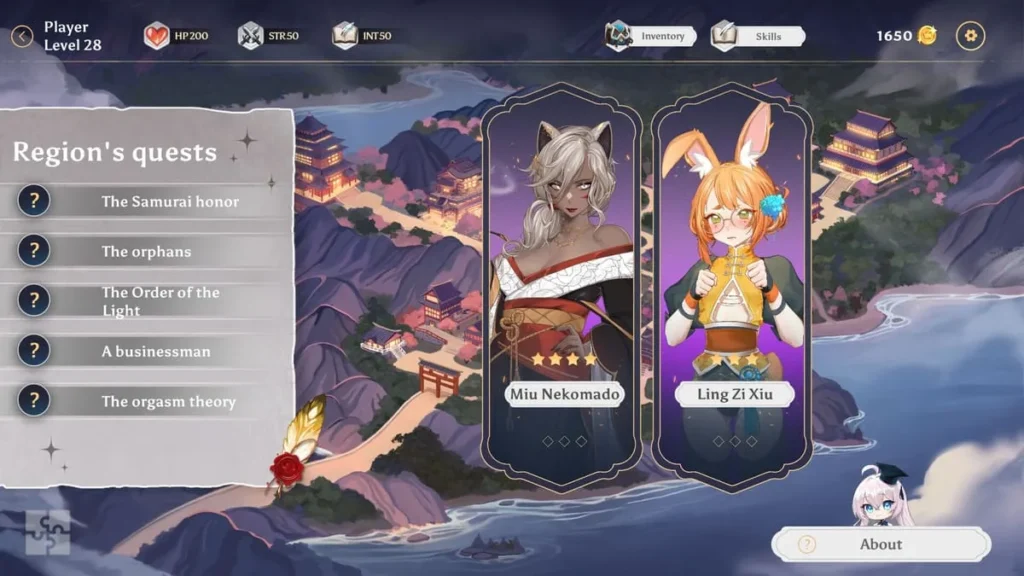
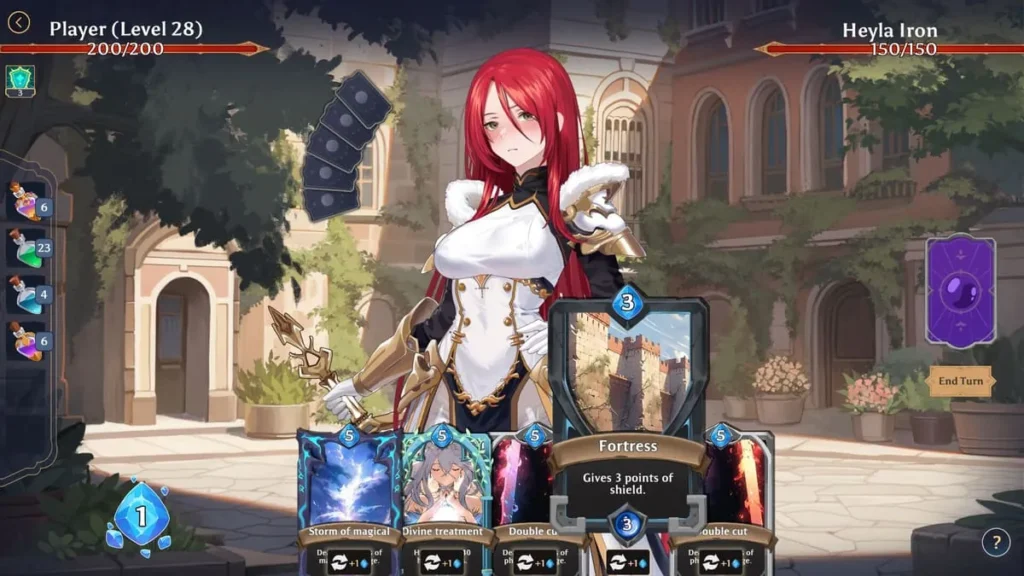
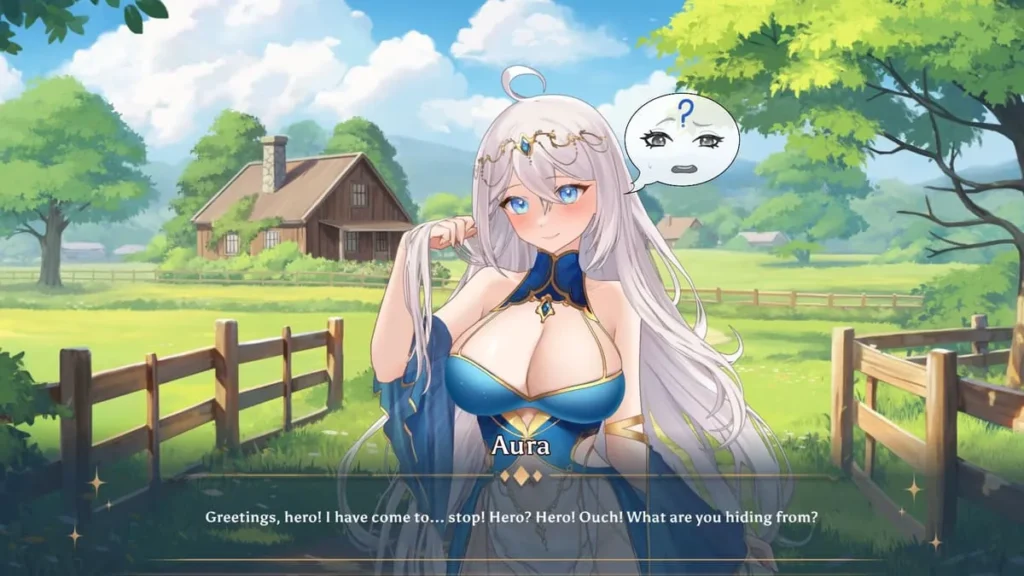
AURA: Hentai Cards review
Explore the unique blend of RTS, Tower Defense, and Match-3 mechanics in this adult strategy card game
AURA: Hentai Cards stands out as a distinctive title that merges real-time strategy, tower defense, and match-3 puzzle mechanics into a single cohesive experience. This adult-oriented game offers players a unique gameplay loop that combines strategic card-based combat with tower defense elements across dual battlefields. Whether you’re a fan of strategy games looking for something different or curious about how adult games approach complex mechanics, AURA delivers an engaging experience that prioritizes gameplay depth alongside its mature content. This comprehensive guide explores what makes AURA special, how its mechanics work, and what players can expect from this innovative title.
Understanding AURA: Hentai Cards Core Gameplay Mechanics
Ever stared at a screen, utterly bamboozled by a game that throws three different genres into a blender? 😵 That was me, about twenty minutes into my first battle in AURA: Hentai Cards. My brain, wired for either pure card-slinging or frantic tower defense, short-circuited trying to manage it all at once. But then, something clicked. The beautiful, chaotic symphony of its design revealed itself, and I was hooked. This isn’t just another card game; it’s a thrilling tower defense match-3 RTS hybrid that demands a unique kind of strategic multitasking.
Let’s break down exactly how to play AURA card game and turn that initial confusion into confident command. This guide will unpack everything from the dual battlefield card game strategy to the clever match-3 puzzle strategy integration that powers your entire empire.
How RTS, Tower Defense, and Match-3 Elements Combine 🎮
At first glance, the combination sounds wild. But in practice, these three pillars support each other perfectly, creating a deeply satisfying card-based combat system. Think of it like this: the Match-3 puzzle is your kingdom’s engine room, the Tower Defense is your frontline war, and the RTS elements are your overarching command strategy. You’re not just playing one game; you’re orchestrating three in concert.
The match-3 puzzle strategy integration is your primary source of everything. Every match you make generates Power, the core resource for playing cards. It also directly feeds your Fabricators—special structures that, when charged by matches of their color, produce unique offensive or defensive effects. So, your puzzle-solving speed and planning directly fuel your military might. It’s a brilliant feedback loop where smart puzzle play enables overwhelming force on the battlefield.
Meanwhile, the tower defense aspect plays out on a distinct lane. You deploy unit and spell cards from your hand to stop waves of enemies from reaching your core. This is where your AURA game resource management is tested. Do you spend your precious Power on a cheap unit now, or save for a game-changing spell? The RTS layer comes from managing all this in real-time. You’re constantly switching focus: making matches to generate Power, deploying units to plug defensive gaps, and activating Fabricator abilities at the perfect moment. It’s a relentless and rewarding test of your ability to prioritize under pressure.
To visualize how these systems intertwine, here’s a breakdown:
| Gameplay Pillar | Primary Function | How It Feeds the Core Loop |
|---|---|---|
| Real-Time Strategy (RTS) | Macro-management & multitasking. You command the overall flow of battle, deciding when to engage in the puzzle vs. the lane. | Your attention is the key resource. Efficiently juggling the puzzle and the battlefield is the path to victory. This layer defines the **dual battlefield card game strategy**. |
| Tower Defense | Direct combat & lane control. You summon units and cast spells to defeat enemy waves before they destroy your Aura Core. | This is the “output” of your strategy. The cards you play and the Fabricators you activate here are powered by your performance in the match-3 grid. |
| Match-3 Puzzle | Resource generation & engine building. Matching gems produces Power and charges your Fabricator buildings. | This is the “input” or engine. No puzzle success means no Power, which means no cards or abilities. It’s the foundational **AURA game resource management** system. |
Dual Battlefield System Explained ⚔️
This is the heart of what makes AURA Hentai Cards gameplay mechanics so uniquely demanding and exciting. You are not managing one screen, but two simultaneous, interconnected theaters of war. It’s the ultimate test of your strategic split-brain.
On the LEFT, you have the Match-3 Grid. This is your economic and industrial base. Your goal here is continuous, efficient matching. But it’s not mindless. You must prioritize:
* Matching Gems: Generates Power, the mana for playing cards.
* Charging Fabricators: Matching gems next to your placed Fabricators charges them. A fully-charged Fabricator unleashes its ability automatically, from firing lasers at enemies to healing your units.
* Creating Cascades: Planning matches that cause chain reactions is the key to rapid resource generation and maintaining momentum.
On the RIGHT, you have the Combat Lane. This is your military front. Here, you:
* Spend Power to play Unit and Spell Cards from your hand to defend your Aura Core.
* Position units strategically to counter enemy types (e.g., ranged behind melee).
* Monitor Fabricator effects as they automatically fire based on your puzzle performance.
The magic—and the challenge—is that these two battlefields exist in real-time. Enemies don’t wait for you to finish a perfect 5-gem match. I learned this the hard way in an early level, hyper-focused on setting up a huge cascade, only to look over and see three enemies merrily beating down my Core. 😅 The core dual battlefield card game strategy is mastering the constant, fluid dance between these two sides. A quick match to get enough Power for an emergency unit, then immediately back to the lane to direct the fight.
Card-Based Strategy and Combat Flow 🃏
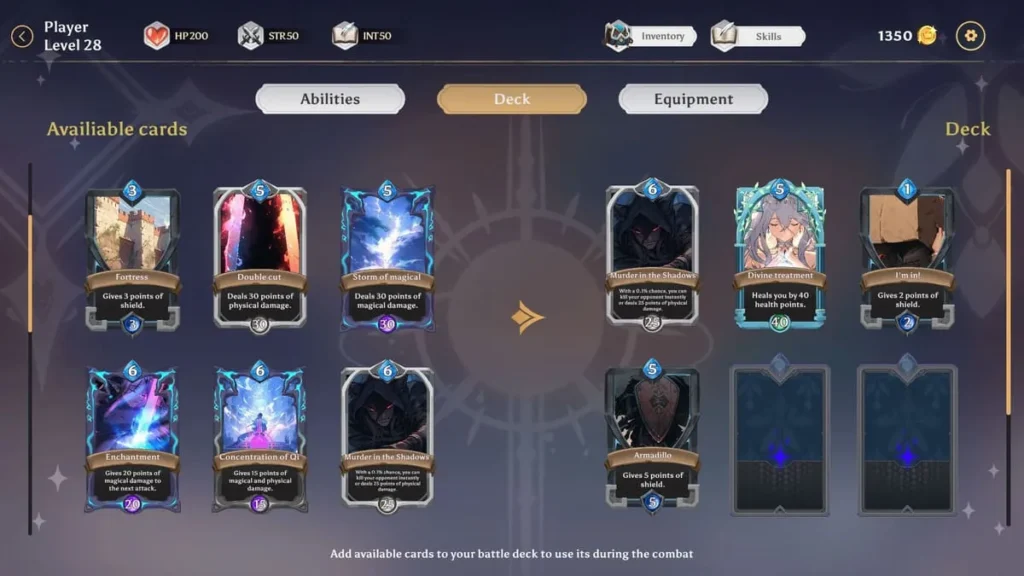
Now that you understand the dual-battlefield setup, let’s talk about your tools: the cards. The card-based combat system in AURA is elegant in its depth. Your deck is your customized army, and learning how to play AURA card game effectively is about synergy and timing.
Your Hand and Deck: You draw cards from a deck you construct before battle. A good deck has a balance of:
* Unit Cards: Your frontline defenders. They have cost (Power), health, attack, and often a special ability. Cheap units are great for early blocking, while expensive ones can be game-changers.
* Spell Cards: Instant effects. These can damage enemies, buff your units, or provide other tactical advantages.
* Fabricator Cards: These aren’t played to the lane but are placed onto the match-3 grid itself. Once placed, they become permanent buildings that provide ongoing benefits when charged by adjacent matches. Choosing where to place these on your grid is a crucial strategic layer.
Combat Flow in Practice: Here’s a typical cycle of play:
1. Generate: You focus on the puzzle grid, making matches to build up your Power reserve and charge Fabricators.
2. Assess: You glance at the combat lane, checking enemy composition and how close they are to your Core.
3. Deploy: You spend Power to play a relevant card—a tanky unit to hold the line, or a damage spell to clear a swarm.
4. Activate: Your charged Fabricators automatically trigger, adding another layer of effects to the battle.
5. Repeat: You immediately switch back to the grid to rebuild Power, constantly cycling between economy and military.
Pro Tip from Hard Lessons: Don’t neglect your Fabricators! Early on, I treated them as an afterthought. Placing a Healing Fabricator near where you make lots of matches can constantly top up your frontline units, creating an incredibly durable defense. They are often the difference between a narrow win and a crushing defeat.
Enchanting Your Way to Victory: Characters aren’t just static art; they are your leaders, each with a unique Enchant ability. These are powerful, cooldown-based skills you can activate during battle. One might unleash a massive blast across the combat lane, while another could supercharge your match-3 grid for a few seconds. Choosing a character whose Enchant ability complements your deck’s strategy is a vital part of your AURA Hentai Cards gameplay mechanics. Building a deck full of fragile, high-damage units? Pair it with a character whose Enchant provides a shield or a stun to control the enemy advance.
As you progress, the difficulty scaling expertly tightens the screws. Enemies become tougher and more diverse, requiring specific counters. The match-3 grid gets more complex, and the pace quickens. You’ll need to move from basic understanding to true mastery of the interconnectivity. The game stops asking “can you do both?” and starts demanding “how well can you do both at once?”
FAQ: Mastering AURA’s Core Mechanics ❓
Q: I’m overwhelmed! What should I focus on as a brand-new player?
A: Start by treating the match-3 grid as your absolute priority. Your first goal in any battle is to establish a steady flow of Power. Get into the rhythm of matching, then quickly checking the lane. It’s better to play a few cheap units steadily than to go puzzle-blind and have no resources for an emergency. Remember, the dual battlefield card game strategy is a rhythm you learn, not a skill you start with.
Q: How do I build a good starter deck?
A: Balance is key. Early on, ensure you have:
* A mix of low-Power and medium-Power units for flexible responses.
* At least one direct damage or area-effect spell to handle groups.
* Fabricator cards that suit your playstyle (e.g., offensive lasers or defensive healing). Don’t underestimate the AURA game resource management boost from a Fabricator that generates extra Power on certain matches!
Q: I never have enough Power! What am I doing wrong?
A: This is the most common early hurdle. First, make sure you’re actively planning matches, not just reacting. Look for potential cascades. Second, consider adding more “Economy” Fabricators to your deck that boost Power generation. Third, remember that some unit cards are more cost-effective than others—a unit with high health for its cost can buy you more time to generate Power than a flashy, expensive one that dies quickly.
Q: How important is the placement of Fabricators on the grid?
A: Critically important! This is a deep layer of the match-3 puzzle strategy integration. Place a Fabricator where it’s likely to be surrounded by its preferred gem color. For example, a Red Gem Fabricator should go where red gems commonly appear. Poor placement means it rarely charges, making it a dead card in your deck.
Q: When should I use my character’s Enchant ability?
A: Don’t hoard it for a “perfect” moment that may never come. Use it to swing momentum. Is a big enemy wave building up? Use a damaging Enchant. Is your Power generation stalled? Use an Enchant that manipulates the grid. Think of it as your strategic panic button or momentum creator.
Mastering AURA: Hentai Cards is about embracing its beautiful, chaotic complexity. It’s a game that rewards the adaptable strategist, the quick thinker, and the player who can see the connections between seemingly separate parts. By understanding how its RTS, Tower Defense, and Match-3 mechanics not only coexist but actively empower each other, you transform from a confused newcomer into a master of the dual battlefield. Now, get out there, build your deck, and command the grid! Your unique blend of puzzle-solving and tactical warfare awaits.
AURA: Hentai Cards represents an ambitious approach to adult gaming by prioritizing engaging mechanics and strategic depth. The fusion of RTS, tower defense, and match-3 elements creates a gameplay experience that rewards both tactical planning and quick decision-making. Players looking for a strategy game with mature content will find AURA offers genuine mechanical complexity rather than relying solely on its adult themes. The dual battlefield system and card-based combat provide meaningful strategic choices, while the match-3 integration keeps gameplay fresh and engaging. Whether you’re drawn to the strategic elements, the character designs, or the unique blend of mechanics, AURA delivers a complete gaming experience. If you enjoy strategy games and are interested in exploring how adult titles can implement sophisticated gameplay systems, AURA: Hentai Cards is worth experiencing firsthand.