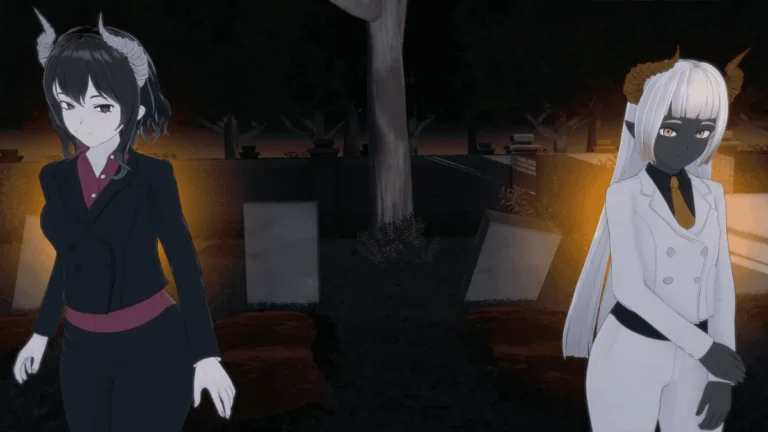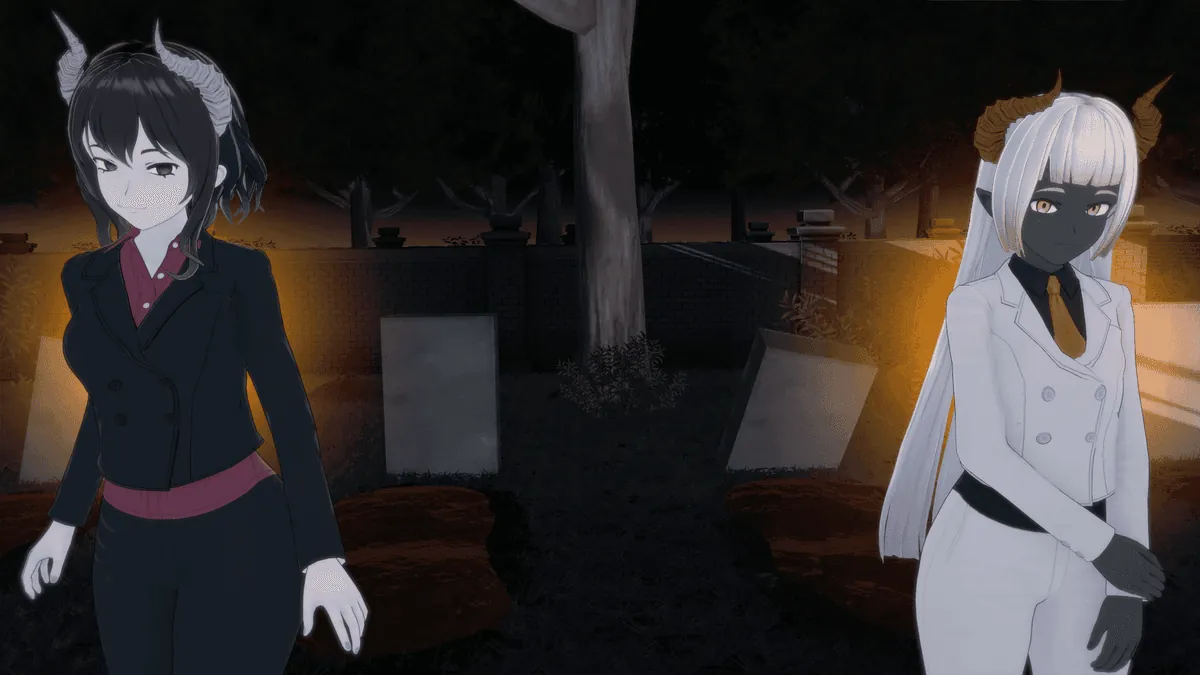
Demons of the Hearth
Play Demons of the Hearth
Demons of the Hearth Screenshots
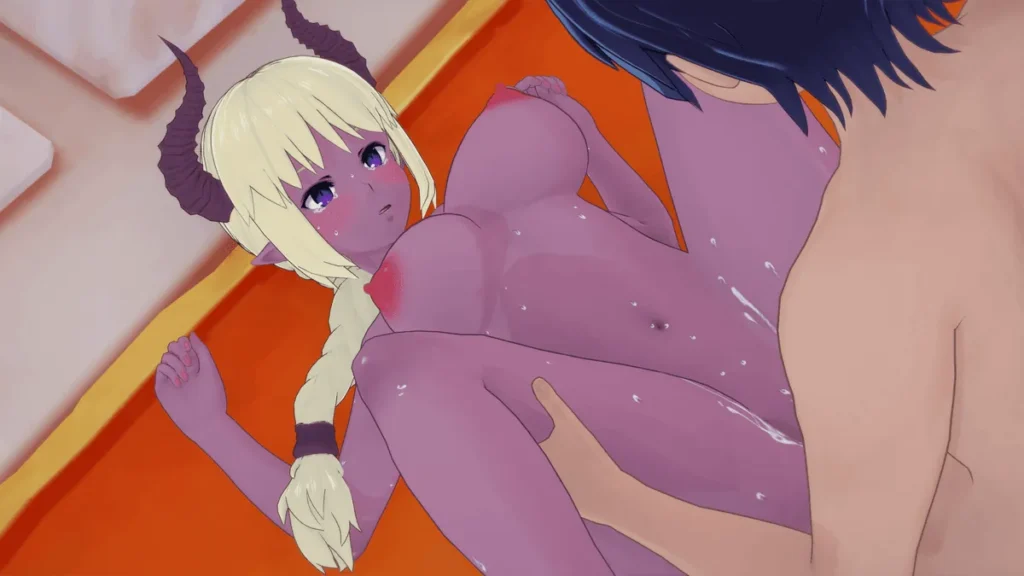
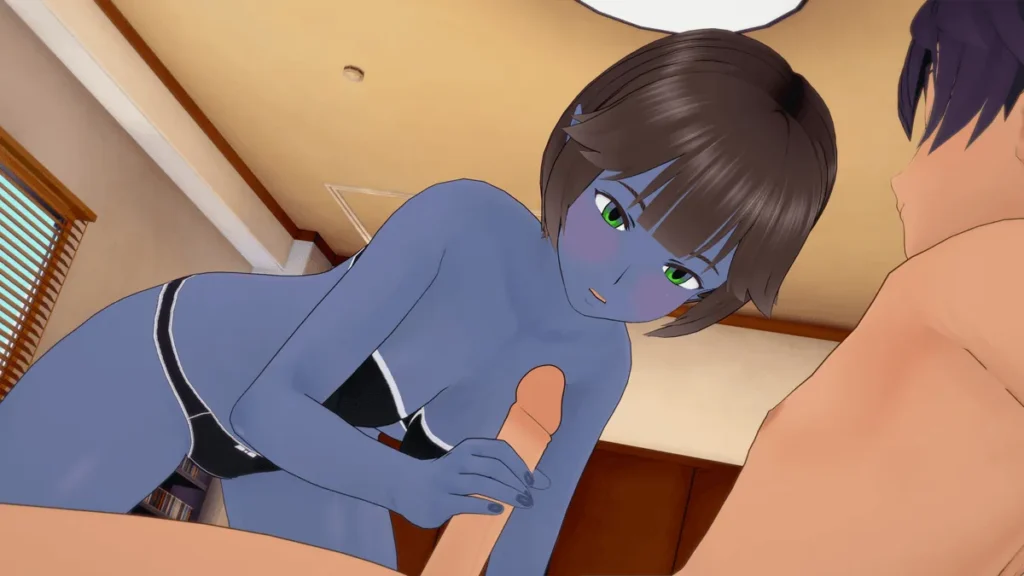
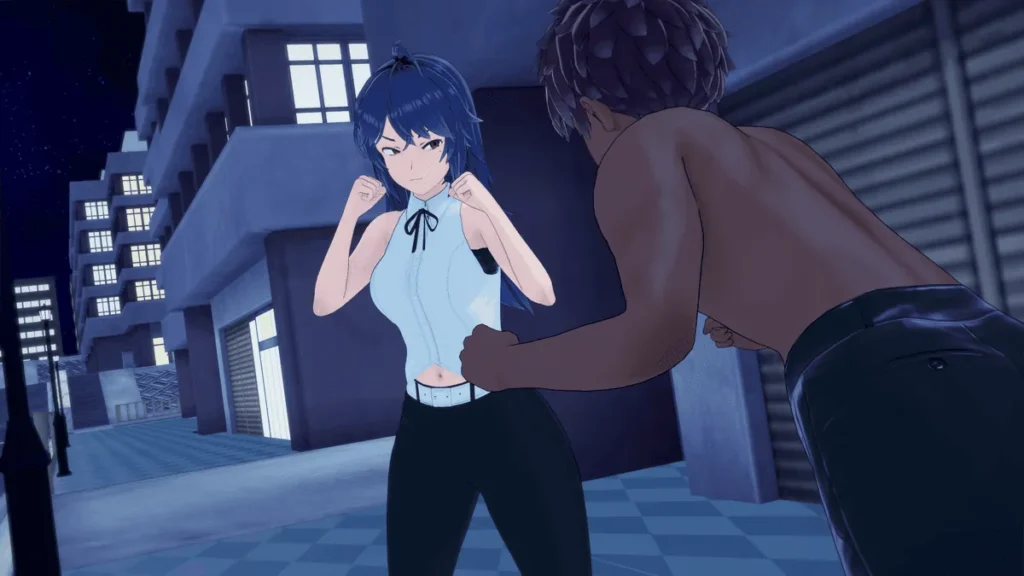
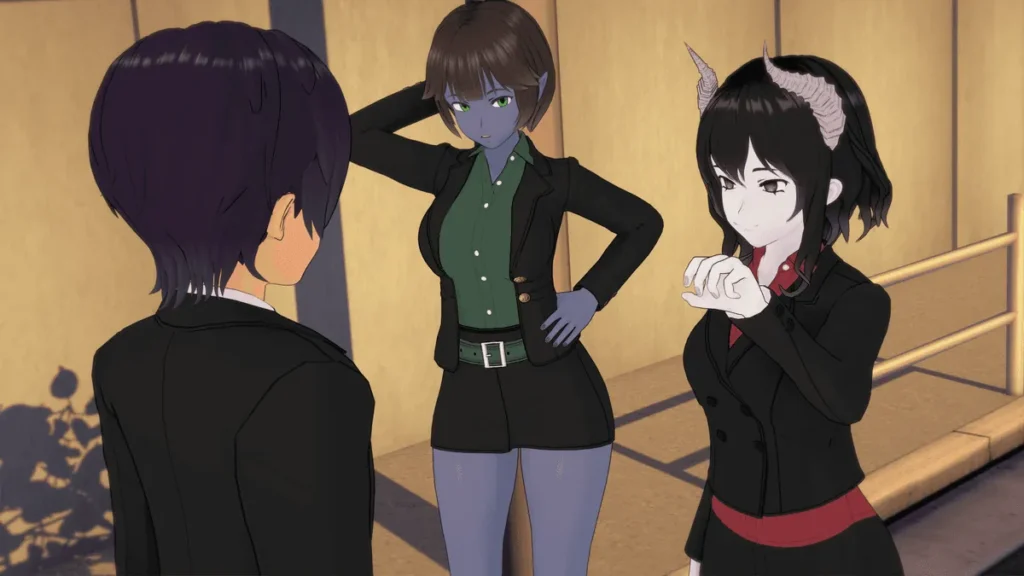
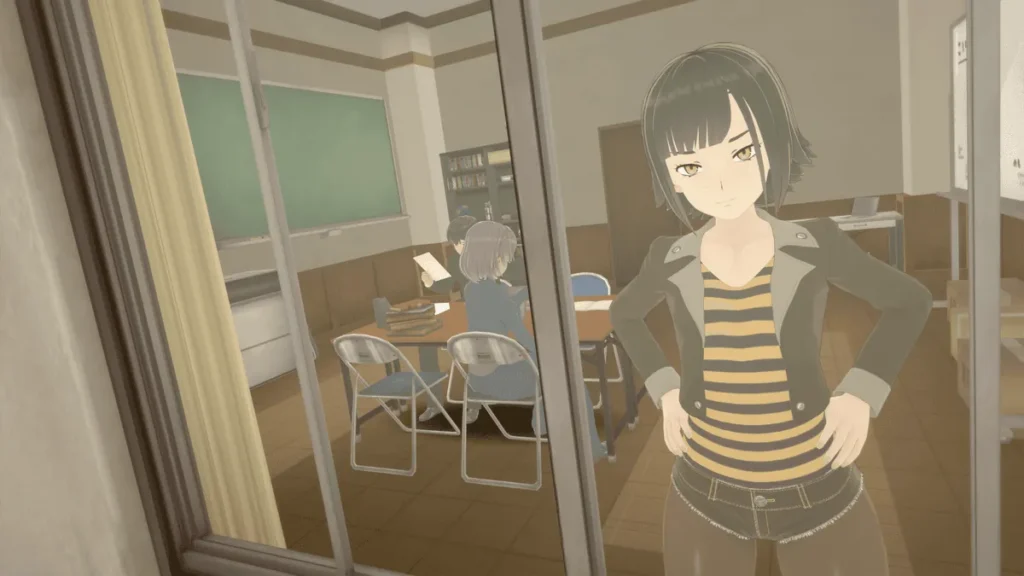

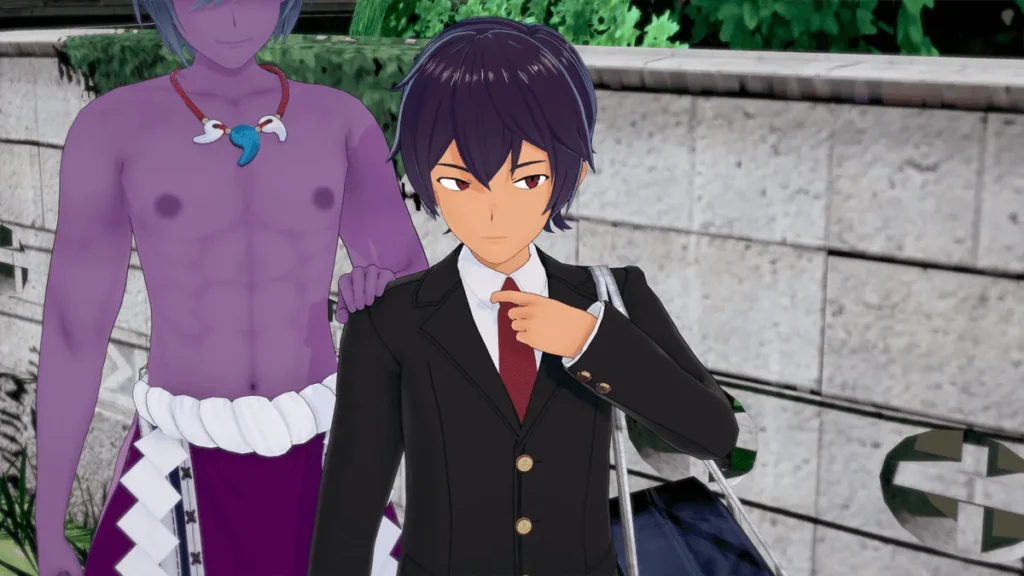
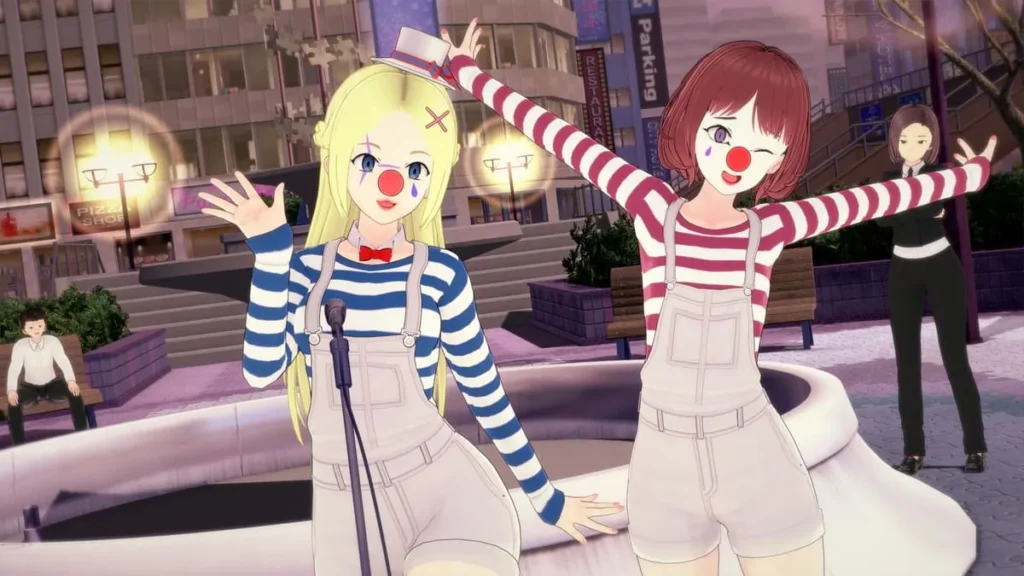
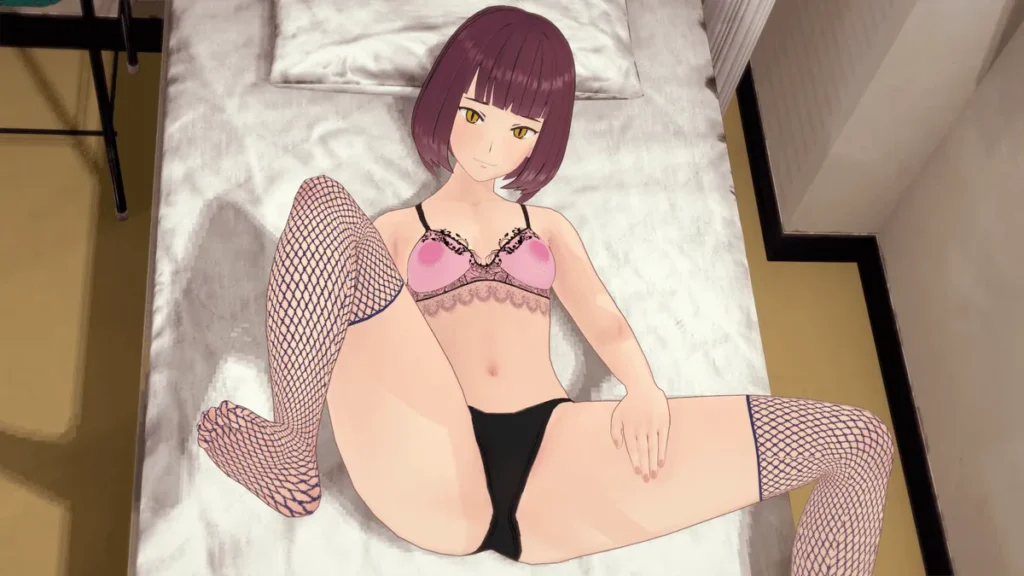
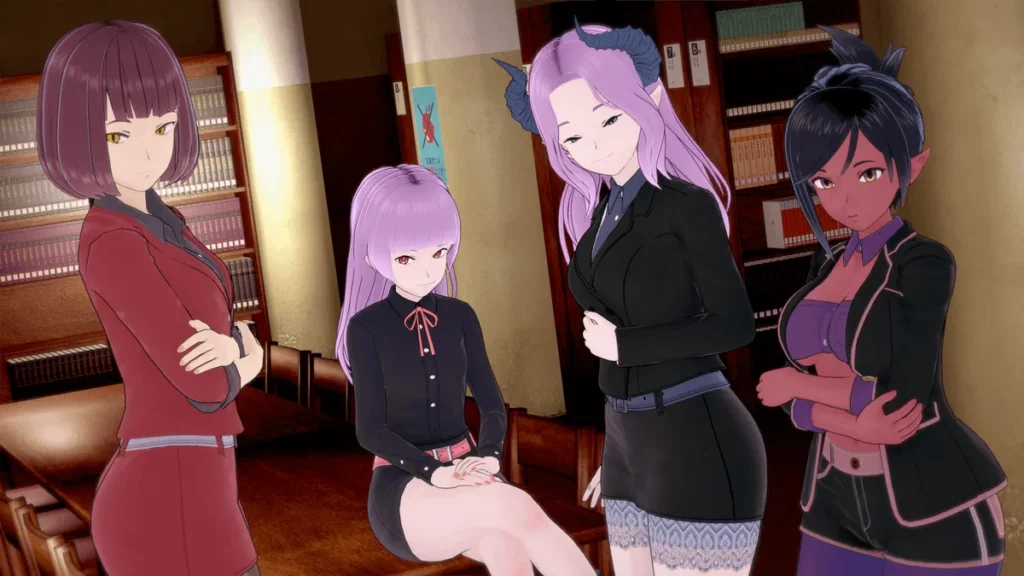
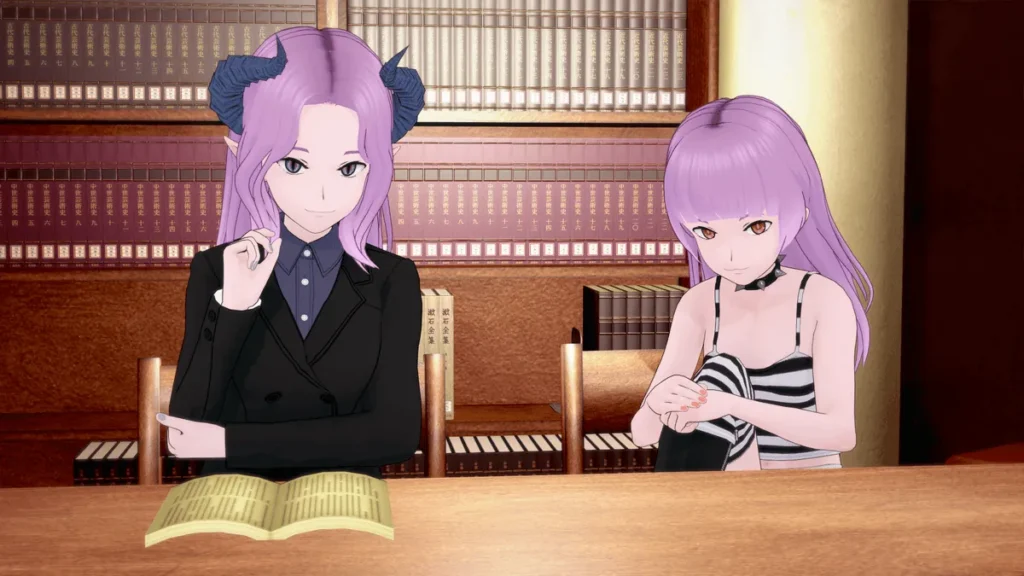
Demons of the Hearth review
Discover the gripping story, characters, and intimate moments in this underrated adult thriller
Ever stumbled upon a hidden gem that hooks you from the first scene? That’s Demons of the Hearth for me—a visual novel that blends thriller suspense with steamy encounters in a way few games do. Developed by Konvel and available on itch.io, this adult title surprised me with its deep storytelling and character depth, far beyond typical expectations. I remember diving in expecting a quick play, only to lose hours to its narrative twists and relationship-building. Whether you’re chasing the main plot or exploring side events with the girls, Demons of the Hearth delivers edge-of-your-seat excitement. Let’s break down everything you need to know to master this captivating experience.
What Makes Demons of the Hearth a Must-Play Thriller?
I still remember the night I stumbled into Demons of the Hearth. I was scrolling through a forum, looking for something with more bite than the usual fare—a story that wouldn’t let go. The title grabbed me. “Demons of the Hearth.” It promised something sinister lurking in a place of comfort. I downloaded it, expecting maybe a few hours of distraction. What I got was a sleepless weekend, utterly consumed by its web of mystery and character drama. This wasn’t just another title on the list; it was a full-blown, heart-pounding Demons of the Hearth thriller that masterfully blends a serial killer plot with the intimate, sandbox-style life of its protagonist. If you’re hunting for the best adult visual novel 2023 had to offer in storytelling, you’ve already found it, even if the world hasn’t caught on yet. Let me tell you why it’s a masterpiece hiding in plain sight.
Unpacking the Gripping Storyline and Worldbuilding 🕵️♂️
At its core, the Demons of the Hearth story is a masterclass in slow-burn tension. You play as a young man returning to your hometown, moving into a new apartment building called The Hearth. It seems peaceful, but a string of gruesome murders hangs over the city. The genius of the plot is how it makes this macro-level horror intensely personal. You’re not a detective chasing clues; you’re just trying to rebuild your life, get a job, and connect with your new neighbors—all while the shadow of the killer draws uncomfortably close to your doorstep.
The visual novel worldbuilding here is phenomenal. The Hearth itself feels like a character—a microcosm of the city with its own rhythms, secrets, and social dynamics. From the quiet, bookish girl next door to the seemingly perfect family across the hall, every resident is a thread in a larger tapestry. The game doesn’t just tell you about the world; it lets you live in it. You’ll manage your time, choose where to go, and decide who to spend it with. This sandbox freedom makes the narrative twists land with incredible force. When a story event triggers, it doesn’t feel like a cutscene you unlocked; it feels like a consequence of your life.
Progressing the main plot, which unfolds through numbered chapters (currently up to 4.1), isn’t about grinding a linear path. It’s about fulfilling specific world states. Maybe the story needs you to have a certain job, or to have reached a key trust level with a particular character. The game whispers clues through the “Hints” section on the main menu—a feature so many players miss! 👀 Checking it regularly is your single best how to progress Demons of the Hearth strategy. It tells you what the game is “waiting for” to advance the plot.
Here are my top tips for navigating the story:
- Read the Hints Menu Religiously 📖: This is your roadmap. It directly states the conditions needed for the next main story beat.
- Talk to Everyone, Every Day 💬: Character dialogues change subtly, offering new side events and clues about their lives and the overarching mystery.
- Advance Side Events 🔄: Major plot chapters often require you to complete specific character side stories. They’re not optional filler; they’re essential narrative fuel.
- Check Key Locations Repeatedly 🚪: Sometimes, triggering an event requires visiting a place at the right time, with the right stats. If you’re stuck, revisit your apartment, the lobby, or other hubs.
- Embrace the “Daily Life” Grind ☕️: The Demons of the Hearth sandbox mode is where relationships are built. Don’t rush it. The tension between mundane routine and lurking dread is the game’s secret weapon.
The beauty of this system is that it makes you an active participant in the Demons of the Hearth story. You’re not watching a thriller; you’re living inside one, where buying groceries or going to work could be the calm before a shocking revelation.
Why the Character Diversity Keeps You Hooked 👥
If the mystery is the skeleton of this Demons of the Hearth thriller, then the characters are its beating heart. This isn’t a harem where everyone exists for the protagonist. Each major character has a fully realized, often messy, life that exists independently of you. Your role is to gradually earn a place in it.
The emotional investment is real. You’ll find yourself caring about their struggles, celebrating their small victories, and feeling a genuine chill when their storylines intersect with the darker elements of the plot. The writing gives them layers—a character who seems cold and distant might reveal profound vulnerability, while someone who seems open and friendly could be hiding crushing pain. This diversity in personality and motive means your interactions never feel samey.
Building trust is the core mechanic of every relationship, but it’s beautifully opaque. You don’t see a numerical “trust meter.” Instead, you learn their preferences, remember their stories, and make choices that show you understand them. The game tracks this internally, and when you’ve reached a key threshold, new events and conversations unlock naturally. This eliminates the robotic “gift-grinding” of other games and replaces it with something that feels like genuine connection.
The Demons of the Hearth sandbox mode shines here. You decide who to pursue, whose secrets to unravel. Do you focus on your neighbor, whose artistic passion masks a deep loneliness? Or the colleague whose tough exterior guards a traumatic past? These aren’t just romance routes; they are deep dives into complex human psyches, and they all weave back into the atmosphere of unease that permeates The Hearth.
How Hidden Stats Shape Your Journey 🎭
This is where Demons of the Hearth separates itself from the pack. Beneath the surface of your daily choices lies a sophisticated system of hidden stats Demons of the Hearth uses to tailor the experience. You won’t find a menu for these. They are silent modifiers, shaped by every dialogue choice, action, and job you take.
Think of it as your character’s evolving personality. Are you choosing kind, empathetic responses? You might be building a “Compassionate” stat. Are you being bold, flirty, or taking physical risks? That could feed into “Confidence” or “Boldness.” These hidden attributes do two critical things:
- They Unlock Specific Story Paths: Certain events and character reactions are only available if your hidden stats meet a threshold. A character with a troubled past might only open up if you’ve demonstrated enough “Perceptiveness” in prior conversations. This makes every playthrough uniquely personal.
- They Influence How to Progress Demons of the Hearth: The main plot isn’t immune. Some narrative junctions may offer different options or revelations based on the person you’ve become. Are you approaching the mystery as a protector, a skeptic, or a determined seeker of truth? The game remembers.
To help visualize how these unseen mechanics interact with the world, here’s a breakdown:
| Your Observed Action | Possible Hidden Stat Affected | Potential In-Game Consequence |
|---|---|---|
| Choosing to listen to a character’s problem without judgment | Empathy, Perception | Unlocks a deeper, more vulnerable conversation branch with that character later. |
| Taking a risky job like “Security” or confronting someone | Boldness, Confidence | May open alternative methods for gathering information about the murders. |
| Focusing on intellectual jobs (Tutoring, Writing) and book choices | Intellect | Could provide unique insights or dialogue options when piecing together clues. |
| Prioritizing rest, self-care, and avoiding conflict | Contentment, Caution | Leads to different stress-management events and possibly alters how the tension affects you. |
This system is the genius behind the Demons of the Hearth sandbox mode. It simulates true freedom while ensuring your choices have weight. You’re not just checking boxes on a visible checklist; you’re subconsciously shaping the protagonist’s soul, which in turn shapes the world. It makes replayability not just about seeing different scenes, but about experiencing a different story based on who you choose to be.
I learned this the hard way. In one playthrough, I was playing it safe and friendly. In another, I was more driven and direct. When a key, tense event triggered—a surprise encounter in a dimly lit parking lot—the tone and available options were completely different. One felt like a scene of cautious alliance. The other felt like a dangerous confrontation. That moment, born from hidden stats Demons of the Hearth had tracked all along, solidified this as one of the most dynamic narratives I’ve ever experienced in the genre.
So, why is such a brilliant game still “underrated”? 🎭 In a sea of visual novels that often prioritize flashy visuals or simplistic mechanics, Demons of the Hearth is a quiet, sophisticated beast. It trusts its audience to engage with its systems, to be patient with its pacing, and to appreciate the horror in the mundane. It’s not about constant arousal; it’s about constant unease, punctuated by genuine human connection and shocking narrative punches. The storytelling isn’t just a feature; it is the entire, standout feature.
If you take one thing from this guide, let it be this: Always monitor the Hints. It’s your lifeline. This game rewards observation, patience, and treating its world like a real, breathing space. Talk to people. Live your life in The Hearth. The demons will reveal themselves in time, and the journey to find them is utterly unforgettable.
Final Tip: Stuck and the hints seem vague? Go back to basics. Advance every character’s side event you can find, try a new job for a week, and revisit every location in the evening versus the morning. The trigger you need is often hiding in plain sight.
FAQ: Common Demons of the Hearth Progression Questions
Q: I’m totally stuck! The story won’t advance to the next chapter. What do I do?
A: This is almost always due to an unfulfilled side event requirement. Open the Hints section from the main menu. It will explicitly tell you what the game is waiting for (e.g., “Become closer with X character,” “Reach a specific job rank”). Focus solely on completing that task.
Q: How do I trigger the “dinner with the Ilvog sisters” event (or similar specific events)?
A: Most special events require two things: 1) A minimum, unseen trust level with the involved characters, built through repeated positive interactions. 2) Being in the right place at the right time of day. If you know an event exists but it won’t fire, dedicate a few in-game days to raising your rapport with that character and then checking the relevant location (often an apartment or common area) during the evening.
Q: Is there a penalty for missing a day or not optimizing my time?
A: Not directly. The game operates on a chapter-based progression, not a calendar. You can’t “miss” the main story by taking too long. However, advancing quickly requires efficient use of your daily time blocks to build stats and relationships. Feel free to go at your own pace—the suspense builds wonderfully.
Q: Do my choices towards one character negatively affect my relationship with another?
A: Generally, no. Relationships are mostly independent. However, your overall hidden stats (like Boldness vs. Compassion) might make you more or less compatible with certain personalities, subtly affecting how easy it is to build trust with them. The game is less about jealousy and more about you becoming a different person.
Demons of the Hearth stands out as a masterpiece of adult visual novels, blending thriller suspense, rich characters, and meaningful choices into an unforgettable experience. From my late-night sessions unraveling plot twists to building trust with the girls, it’s clear why players call it criminally underrated. Whether you’re advancing the main story, tackling side quests, or diving into intimate scenes, this game rewards patience and exploration. If you haven’t started yet, grab it from itch.io and prepare to be hooked. Share your favorite moments in the comments—what’s your go-to route?