F.I.L.F.
Play F.I.L.F.
F.I.L.F. Screenshots



















F.I.L.F. review
Explore the immersive storyline, character development, and interactive mechanics of this adult adventure title
F.I.L.F. stands out as an engaging adult-oriented game that combines narrative depth with interactive storytelling. Set in a sprawling urban environment, this title invites players into a dynamic world where choices matter and relationships evolve based on your decisions. Whether you’re interested in exploring the game’s rich character development, understanding its mission-based gameplay, or discovering what makes its storyline compelling, this guide covers everything you need to know about the F.I.L.F. experience. From intimate character interactions to exploration mechanics, we’ll walk you through the key elements that define this mature gaming adventure.
Understanding F.I.L.F. Game Mechanics and Core Gameplay
Ever felt like you’re not just playing a game, but truly stepping into someone else’s life? That’s the magic potion F.I.L.F. serves up. You don’t just watch a story; you live it, choice by choice, conversation by conversation. At its heart, the F.I.L.F. gameplay mechanics are a masterclass in giving you the steering wheel to a rich, character-driven narrative. You see the world through the eyes of a single, relatable guy—the male protagonist—returning to his hometown after years away. Your journey isn’t about epic battles; it’s about rebuilding connections, exploring familiar (and new) places, and navigating the delicate, often thrilling, web of human relationships. Every click, every dialogue selection, and every location you visit is a brushstroke on a canvas you’re painting yourself. Ready to understand how it all works? Let’s dive into the systems that make this interactive storytelling game so uniquely compelling. 🎮✨
How Mission-Based Gameplay Works in F.I.L.F.
Think of missions as your personal to-do list for life in this new-old town. They’re the primary engine of the F.I.L.F. game progression system, gently guiding your daily activities while leaving how you approach them entirely up to you. This isn’t a linear march from point A to B; it’s a curated set of opportunities, errands, and social calls that unlock the world and its characters.
The mission system is beautifully straightforward. You’ll typically receive a prompt—maybe a character needs a favor, or you remember an errand you have to run. Your task log becomes your guide. Completing these objectives is how you earn the crucial points that fuel your progress. It’s a satisfying loop: receive a mission, explore to complete it, earn rewards, and unlock the next chapter of the story or deeper interactions with characters.
Here’s a quick list of what makes this mission-based game progression tick:
* Clear Objectives: Missions have straightforward goals, like “Talk to [Character] at the Mall” or “Find a specific item in the Park.”
* Organic Integration: Tasks feel like natural parts of the story, not random fetch quests. Helping someone often leads to meaningful story development.
* Multiple Avenues: Some missions can be approached in different ways, depending on your exploration or prior relationship building.
* Pacing Control: You often have multiple active missions, letting you choose what to tackle based on your interest.
Let me give you a personal example. Early on, I was tasked with buying a gift. The mission just said “Get a gift from the Mall.” Simple, right? But here’s where the F.I.L.F. gameplay mechanics shine. At the mall, I had a choice of stores. My decision on what to buy wasn’t just about completing the task; it was a player choice impact on story moment. I picked a item I thought a specific character would like based on our previous chats. When I delivered it, her reaction was noticeably warmer, and the dialogue options that opened up were more personal. The game recognized my thoughtful (or thoughtless!) choice and rewarded it with relationship points. That’s the genius—a simple mission became a pivotal character moment.
Pro Tip: 🧠 Always read the mission description carefully and think about who it involves. Sometimes the best “reward” isn’t just the points, but the unique, heartfelt reaction you get from a character.
This system ensures you’re always engaged, always having a purpose as you navigate the game world. Each completed task is a step forward, not just in a plot, but in your own customized narrative experience.
| Mission Type | Primary Goal | Typical Reward | Progression Impact |
|---|---|---|---|
| Story Milestone | Advance the main narrative plot | High Points, New Locations, Major Story Scenes | Unlocks new chapters and core story events |
| Character Favor | Help a specific character with a personal task | Relationship Points, Unique Dialogue, Gifts | Deepens bond with that character, unlocks their personal story path |
| Exploration & Discovery | Find a hidden item or visit a new area | Points, Secret Pictures, In-Game Cash | Expands usable locations and reveals hidden game content |
| Daily Activity | Perform routine tasks (e.g., shopping) | Small Points, In-Game Items | Maintains narrative flow and provides resources for other interactions |
Exploration and Location Discovery
If missions are your “what,” then exploration is definitely your “how.” The location exploration mechanics in F.I.L.F. are deceptively simple but incredibly powerful. The town is your oyster, and poking around every corner is actively encouraged. You’ll travel between key locations like the family home, the bustling mall, the relaxing park, and other social hubs. Each location isn’t just a static backdrop; it’s a living space with its own rhythm, characters who visit at certain times, and secrets to uncover.
This is where the game truly embraces its adventure title roots. Clicking to move between areas feels intuitive, and the art style makes each location distinct and inviting. The real joy comes from discovery. You might click on a nondescript bush in the park and find a hidden secret picture. Or, a thorough search of the mall might reveal some extra in-game cash someone dropped. These discoveries feed directly back into the core F.I.L.F. gameplay mechanics by providing you with resources (points, cash, items) that enable further progression and interaction.
Remember, exploration is often tied to your missions. You might need to find a character, and you’ll learn they frequent the shopping center in the afternoon. This creates a natural, realistic flow to your day. You’re not just warping to a quest marker; you’re learning the patterns of the town and its inhabitants. 🗺️🔍
Here’s some actionable advice from my own playthrough:
* Revisit Often: Locations change. A character who isn’t at the park in the morning might be there in the evening. Time of day matters!
* Click Everything: Well, almost everything. If your cursor changes, it’s worth an investigation. You never know what you might find.
* Talk to Everyone: Even characters who don’t seem central might have interesting tidbits or small tasks that lead to rewards.
* Use the Map: The game’s navigation is straightforward. Plan your route based on who you want to see and what you need to do.
This focus on location exploration mechanics does more than just fill your inventory; it builds the world. You start to memorize the layout of the town, anticipate where people will be, and feel a genuine sense of place. It turns the game from a series of scenes into a world you inhabit, which is a cornerstone of its immersive appeal.
Character Interaction and Relationship Building
This is where F.I.L.F. truly sets itself apart. The character relationship system is the beating heart of the entire experience. Every significant person you meet has their own personality, backstory, and current life. Your interactions with them are not pre-scripted movies; they are dynamic conversations shaped by your decisions.
You experience everything through the lens of the male protagonist. Your dialogue choices are his thoughts and words. This first-person perspective is crucial—it creates immediacy and responsibility. When you choose a flirty, kind, neutral, or even dismissive response, you are directly shaping how this character sees you. The player choice impact on story is most visible and impactful right here. A series of kind, supportive conversations with one character will unlock story paths and scenes that would remain forever hidden if you were consistently rude or indifferent.
The progression of relationships feels natural. It often starts with simple, friendly chats. As you complete missions for them, choose supportive dialogue, and give thoughtful gifts (found through those exploration mechanics!), you’ll earn relationship points. Accumulating these points is key to the F.I.L.F. game progression system for each character. They act as a measure of trust and affection, unlocking new levels of intimacy, exclusive missions, and pivotal story moments. It’s a slow burn that makes every breakthrough feel earned and meaningful. ❤️🤝
Let’s break down how you build these connections:
- Initiate Conversation: Simply approach a character in their usual location. The dialogue window is your playground.
- Make Your Choice: You’ll be presented with multiple response options. There’s rarely a single “right” answer, but each has consequences. Is this a time for a joke, or for serious advice?
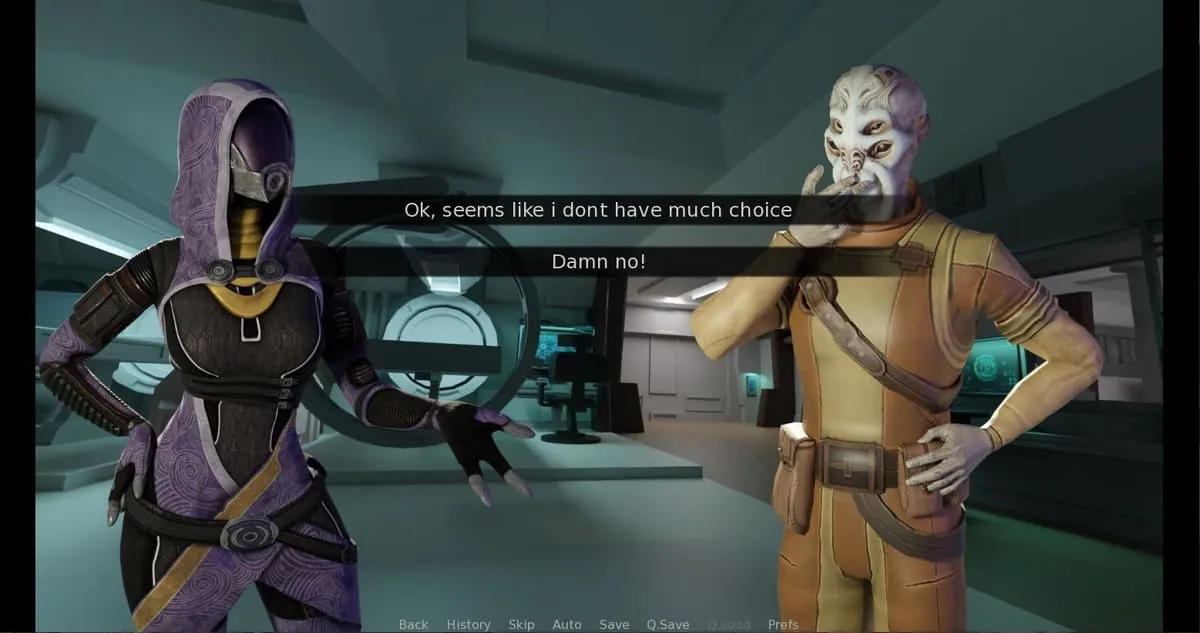
- Observe the Reaction: Characters react in real-time. Their dialogue response and sometimes even their sprite expression will change based on what you picked.
- Invest Time and Effort: Relationships deepen over multiple interactions. Return to talk, offer help when they need it, and remember the details they share with you.
- Reap the Rewards: As the relationship level increases, you’ll unlock private scenes, personal confessions, and branches of the story tailored to the connection you’ve built.
This system creates an incredibly interactive storytelling game environment. You’re not just unlocking scenes in a set order; you’re deciding which relationships to prioritize, which personal stories you want to explore most deeply, and, ultimately, what kind of person the protagonist is becoming in this chapter of his life.
The point and reward system elegantly ties all these mechanics together. Whether earned through mission completion, secret discovery, or successful character interaction, points are the universal currency of progression. They quantitatively track your success and directly translate into unlocking new content. Enough points might open a new area of town, trigger a major story event, or advance a relationship to its next, more intimate stage. It’s a clear, satisfying feedback loop that always lets you know your actions are moving the world forward.
In the end, the core F.I.L.F. gameplay mechanics are designed to disappear, to become second nature. You stop thinking about “completing a mission” and start thinking about “helping a friend.” You stop “exploring a location” and start “going to the mall to meet someone.” The systems of mission-based game progression, deep location exploration mechanics, and the nuanced character relationship system blend seamlessly to create one of the most personal and engaging stories you can play. Your agency is real, your choices linger, and the story that unfolds is uniquely, wonderfully yours. 🏡✨
F.I.L.F. delivers a comprehensive gaming experience that combines engaging mechanics with mature storytelling. The game’s strength lies in its ability to blend mission-based progression with meaningful character interactions, allowing players to shape their own narrative through meaningful choices. With its diverse cast of characters, immersive urban setting, and tastefully presented intimate content, F.I.L.F. creates an experience designed specifically for adult audiences seeking depth beyond surface-level gameplay. Whether you’re drawn to the interactive storytelling, character development, or the atmospheric world design, F.I.L.F. offers a multifaceted adventure that rewards exploration and player agency. For those interested in adult-oriented games that prioritize narrative quality and character connection, F.I.L.F. represents a compelling choice in the gaming landscape.