Fates Collide
Play Fates Collide
Fates Collide Screenshots






Fates Collide review
Dive into the gripping story, characters, and steamy routes of this furry visual novel
Hey there, fellow gamers—have you stumbled into the captivating world of Fates Collide? This furry visual novel hooked me from the first scene with its sharp prose, cinematic art, and a story that blends intense action, personal growth, and tantalizing encounters. Picture this: Erik, a likeable protagonist from humble roots, steps into college life at Burgmeister & Royce, joining the wild Delta Iota Kappa fraternity amid conflicts, temptations, and deep relationships. I remember my first playthrough—those food-themed character moments and phallic symbolism had me pausing to appreciate the details. Whether you’re chasing multiple routes or savoring the plausible intimate scenes, Fates Collide delivers a material reality that’s hard to forget. Let’s break it down so you can jump in fully prepared.
What Makes Fates Collide Stand Out in Visual Novels?
I’ll be honest—when I first clicked on Fates Collide, I was expecting a fun, perhaps tropey, college romp. You know the deal: new student, quirky fraternity, some campus drama. But within an hour, I was completely hooked. What is Fates Collide about? On its surface, it follows Erik, a young man starting fresh at college and being drawn into the orbit of the Delta Iota Kappa fraternity. It’s a classic setup. Yet, this Fates Collide visual novel swiftly peels back that simple layer to reveal a narrative obsessed with elegant themes of healing, trauma, and the struggle for societal change. It’s not just about parties and romance; it’s about broken people trying to fix themselves and the world around them, and that’s what makes its Fates Collide story so profoundly captivating. 😮
Why the Story and World-Building Captivate Players
The magic of this Fates Collide story lies in its confidence. Yes, you navigate Fates Collide college life—the rush events, the awkward lectures, the fraternity house dynamics. Conflicts involving peer pressure, substance use, and complex relationships form the gritty bedrock of the plot. But the writing elevates it all. The prose is sharp and evocative, giving every action a sense of physicality. A punch isn’t just a punch; you feel the crunch of cartilage and the sting of impact. This attention to visceral detail extends to quieter moments, making the world feel lived-in and real.
Furthermore, the game seamlessly integrates subtle supernatural elements and a rich, underlying lore that never feels forced. The conflicts within Delta Iota Kappa are microcosms of larger societal issues, asking questions about legacy, responsibility, and reform. It’s a trope-averse narrative that respects your intelligence.
Here are the top strengths that make the storytelling in this furry VN exceptional:
- Confident, Physical Prose: The writing makes you feel every emotion and action in your bones.
- Integrated World-Building: The supernatural and societal elements feel like a natural part of the world, not tacked-on extras.
- Smart Route Divergence: While core plotlines may seem similar, character perspectives and outcomes shift dramatically.
- Thematic Depth: Moves beyond simple drama to explore healing, guilt, and change.
- Food as Emotional Language: Shared meals become pivotal points for character connection and vulnerability. 🍲
Exploring Cinematic Art and Physicality in Scenes
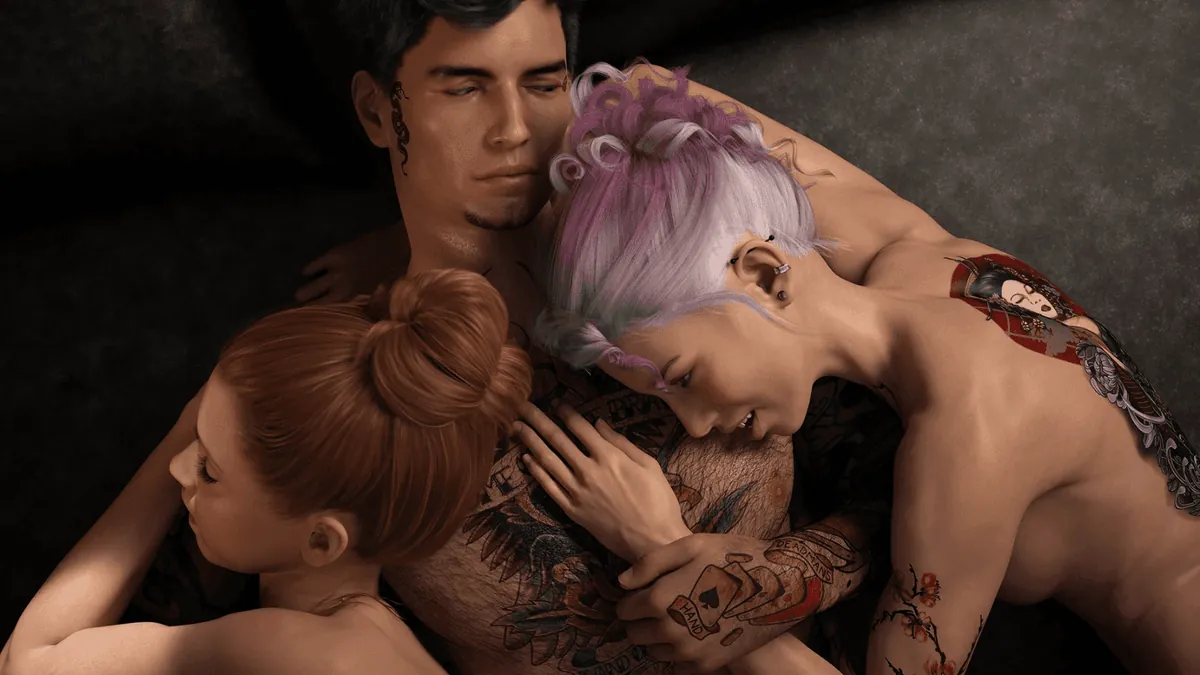
If the writing makes you feel the story, the Fates Collide art assets make you see it in breathtaking detail. This is where the game achieves a true cinematic flair. We’re not just talking about a few character sprites and backgrounds. The developer has crafted an impressive library of assets—dynamic angles, layered scene compositions, and expressive character poses that go far beyond the visual novel standard.
“The art doesn’t just illustrate the story; it adds a layer of physical weight to every confrontation and tender moment, making the world of Fates Collide feel startlingly present.”
This quote from an early reviewer nails it. A tense standoff in a rain-slick alleyway feels like a scene from a thriller film. A quiet conversation in a sun-dappled kitchen is cozy and intimate. The art direction uses lighting, perspective, and detail to amplify the physicality the prose describes. Whether it’s the brutal honesty of a fight scene or the charged closeness of a romantic encounter, the visual presentation is a masterclass in mood. The attention to Fates Collide art assets ensures that every scene, from the most dramatic to the most mundane, is a feast for the eyes and a direct conduit to the characters’ emotions. 🎬
How Multiple Routes Keep Replayability High
Ah, the furry VN routes. This is where Fates Collide truly shines and answers the player’s desire to explore every corner of its world. With multiple central characters to pursue, the game is built for replayability. But here’s the genius part: while the overarching plot of campus and fraternity tensions remains a constant frame, each route feels uniquely personal.
On my first playthrough, I pursued one character, seeing the story through a lens of fiery ambition and defensive pride. On my second, choosing a different partner, the same campus events unfolded, but the motivations, secret knowledge, and emotional core were completely different. I discovered hidden facets of characters I thought I understood and saw events from a shocking new angle. This smart route divergence means you’re not just replaying for different romance scenes; you’re replaying to piece together a fuller, more complex truth of the Fates Collide story.
My practical advice? Choose your route early and stick with it. Let yourself be immersed in that character’s specific journey. The game often presents you with a key choice that gently nudges you toward one path—pay attention to who you’re instinctively trying to connect with.
To help you decide, here’s a quick look at how the routes can diverge:
| Route Focus | Core Conflict | Storytelling Flavor |
|---|---|---|
| The Reformer | Internal guilt & changing systemic legacy | Political, emotional, heavy on societal themes |
| The Protector | Loyalty vs. personal desire, hidden vulnerability | Action-oriented, charged with protective tension |
| The Outsider | Finding belonging and challenging preconceptions | Discovery-driven, focuses on world-building and trust |
So, where should you start? My strongest opinion after multiple playthroughs is this: Begin with Erik’s base route. It provides the essential context for the Fates Collide college life setting, the fraternity dynamics, and the central mysteries. It’s the foundational experience that makes subsequent playthroughs—where you see events from another character’s eyes—so incredibly rewarding. Think of it as getting the ground-level view before soaring up to see the whole, breathtaking landscape. 🗺️
Ultimately, Fates Collide stands out because it’s an elevated narrative that trusts its audience. It uses the format of a furry visual novel not just for romance, but for a deep, character-driven exploration of heavy themes, wrapped in a package of cinematic art and smart, replayable storytelling. It’s a journey that stays with you long after you close the game.
There you have it—Fates Collide isn’t just another visual novel; it’s a masterful blend of story depth, character growth, and those immersive moments that linger. From Erik’s journey through college chaos to the divergent routes that reward replays, this game turned my evenings into epic adventures. I’ve laughed at the clever symbolism, tensed during action beats, and melted into the relationships. If you’re ready for a world of conflicts, connections, and cinematic flair, grab it now—dive into the Patreon for the latest, pick your first route, and let the fates collide. Your next obsession awaits; what’s stopping you?