Intertwined
Play Intertwined
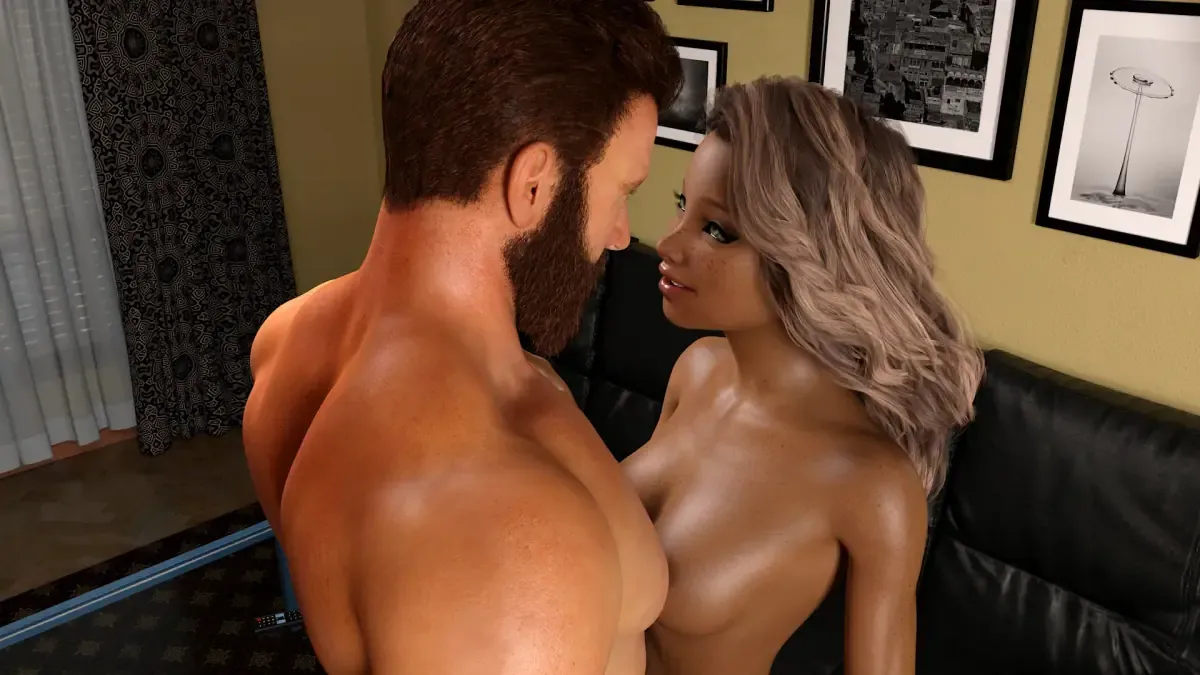
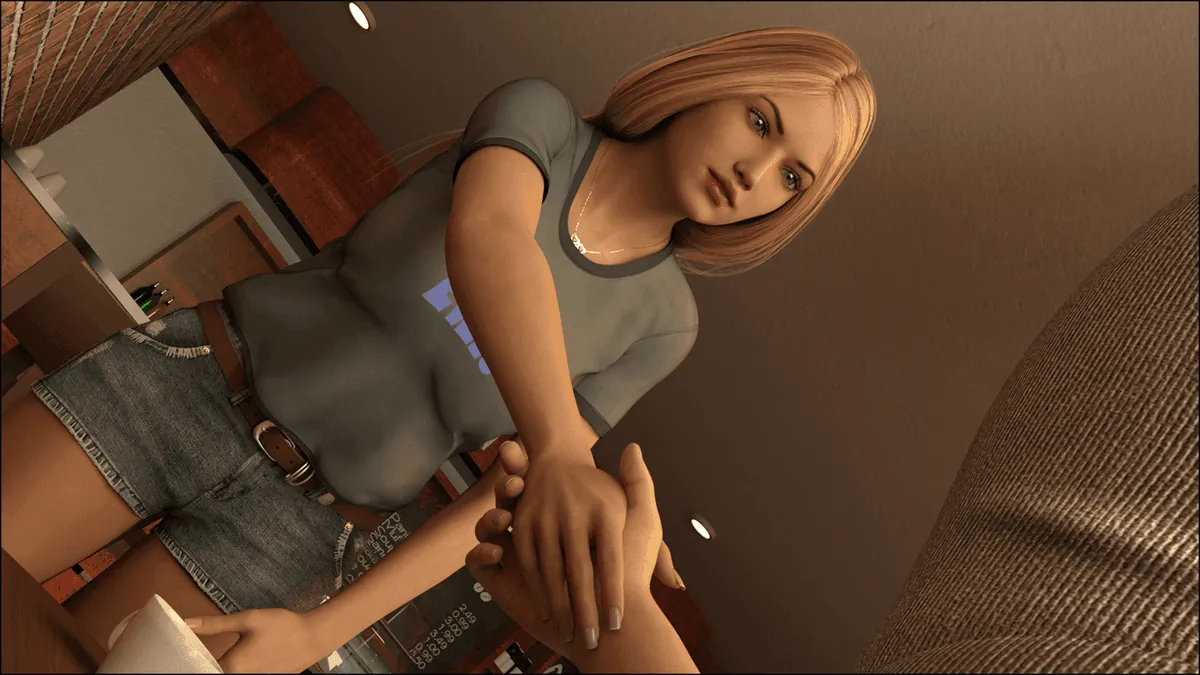
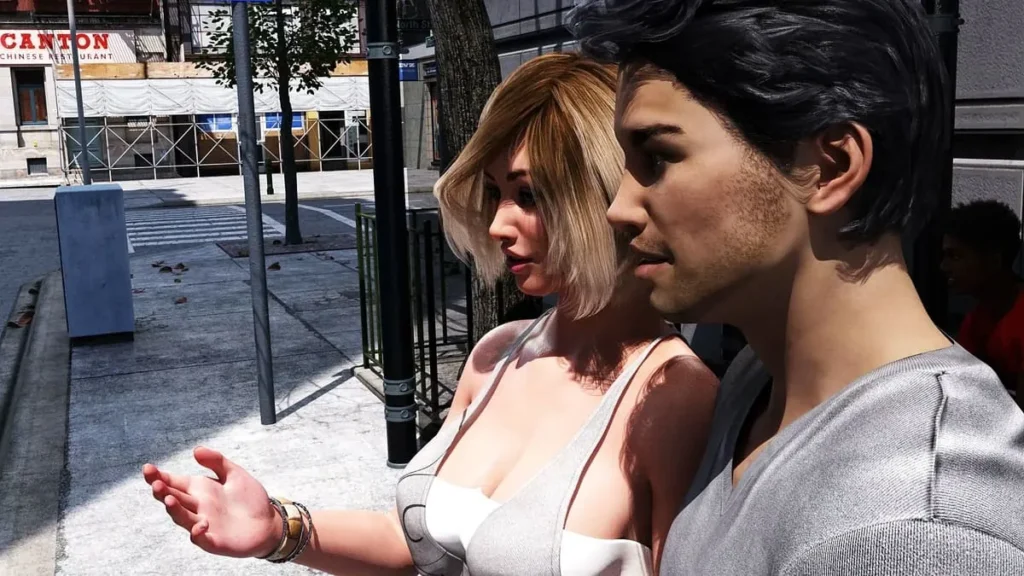
Intertwined Screenshots














Intertwined review
Master the branching narrative and relationship systems in this interactive visual novel
Intertwined stands out as a distinctive interactive visual novel that prioritizes player agency and narrative depth. This game blends intuitive point-and-click mechanics with a sophisticated choice system where every decision ripples across the story, affecting character relationships and unlocking unique story paths. Whether you’re exploring the game for the first time or seeking to understand its complex branching narrative, this guide covers everything you need to know about what makes Intertwined a compelling interactive experience. The game’s version 0.12.3 features innovative gameplay mechanics that reward careful decision-making and multiple playthroughs, making it essential reading for anyone interested in choice-driven storytelling.
Understanding Intertwined’s Core Gameplay Mechanics
Okay, let’s be honest. How many times have you played a game that promised your choices mattered, only to discover they all funneled you toward the same two endings? 😤 You make a “tough” decision, the characters react for a moment, and then… poof. It’s like it never happened. The story chugs along its predetermined track, leaving you feeling more like a passenger than a pilot.
If that sounds familiar, then buckle up. Intertwined is the game that finally delivers on that promise. It’s not just about picking dialogue; it’s about weaving the very fabric of the narrative with every click, every conversation, and every choice you make. The core Intertwined gameplay mechanics are a masterclass in creating a living, breathing world that reacts, remembers, and evolves based solely on your actions. This chapter is your guide to understanding exactly how it all works, from the serene point-and-click navigation to the nerve-wracking timed choices visual novel fans adore.
Let’s dive in and unravel the system that makes this experience so uniquely personal.
How Point-and-Click Navigation Works
At first glance, the way you move through the world of Intertwined seems beautifully simple. You click on a location—a sun-drenched café patio, a moody late-night bar, a character’s cozy apartment—and you’re there. The art is stunning, pulling you into each scene. But this isn’t just a pretty slideshow. This point-and-click navigation is the foundational layer of player agency. ✨
Think of each location as a stage where potential scenes are waiting to be triggered. Your presence (or absence) is the trigger. Deciding to go to the gym after class instead of heading straight home isn’t just a flavor detail; it’s a deliberate narrative fork. You might run into a friend who needs advice, stumble into an awkward encounter, or simply miss a phone call that would have changed everything. The game doesn’t always signpost these moments with flashing arrows. It trusts you to explore, to be curious, and to live in the space.
I remember in one of my early playthroughs, I was so focused on pursuing one character’s story that I kept ignoring the local library. Big mistake. 🫣 I later learned that another major character spent afternoons there, and by never visiting, I’d completely closed off an entire subplot and a layer of their personality. The point-and-click navigation quietly empowers you to shape your own schedule and, by extension, your own story. It turns the simple act of “where do I want to go next?” into your first meaningful choice of the session.
The Choice Web System Explained
This is where Intertwined truly separates itself from the pack. Forget binary “good vs. evil” or simple dialogue trees. Here, your decisions create a sprawling, intricate choice web system. 🕸️ Imagine a map of your story, where every major decision is a node, and lines spiderweb out to show all the potential future scenes, dialogues, and conflicts it unlocks or locks away.
During critical scenes, you’re often presented with branching dialogue options that can range from 8 to over a dozen possibilities. These aren’t just “Nice,” “Funny,” or “Sarcastic” in disguise. They are deeply contextual responses that reflect specific attitudes, secrets you know, lies you’ve told, or promises you’ve made. The game’s memory is impeccable. A throwaway white lie you told in Episode 2 might appear as a shaky, guilt-tinged option when you’re pressed for the truth in Episode 8.
The genius of the choice web system is in its visibility. Sometimes, after a major chapter, the game might show you a glimpse of this web. You’ll see the path you took light up, while other, ghostly lines hint at the roads not taken. It’s a powerful, sometimes haunting, reminder of the narrative weight you hold. This system ensures that the branching dialogue options aren’t just for immediate reaction; they are seeds planted for a forest of consequences that grows throughout your entire playthrough.
Relationship Meters and Hidden Affection Tracking
Now, let’s talk about the heart of the experience: the characters. In Intertwined, every meaningful interaction is filtered through the sophisticated relationship meters Intertwined employs. But here’s the kicker—you rarely see the raw numbers. 📊
This is the art of hidden affection tracking. Instead of a visible bar labeled “LILY: 75/100,” you must become a careful reader of subtext. Does she hold your gaze a moment longer after a supportive comment? Does his text replies become warmer or more clipped? Does a friend share a more vulnerable secret with you? These are your metrics. The game translates your choices into subtle shifts in dialogue, character animations, and the very options made available to you.
Beneath the surface, the game is constantly calculating. Separate, hidden affection tracking exists for traits like Trust, Respect, Passion, and Resentment for each major character. A romantic gesture might boost Passion but could lower Respect if it’s deemed inappropriate. Defending a character in an argument skyrockets their Trust, while siding against them might feed a hidden meter of Resentment that simmers until it boils over later.
Pro Tip: Keep a personal journal of your big decisions and promises. Since the game doesn’t show the meters, your own notes will be the best way to track your standing and understand future character reactions!
To give you a clearer picture of how these systems interact, here’s a breakdown of the core Intertwined gameplay mechanics at work:
| Mechanic | What It Does | Player Impact & Feeling |
|---|---|---|
| Branching Dialogues | Presents 8+ contextual options in key scenes based on prior knowledge, relationships, and stats. | Overwhelming but empowering agency. Your personality directly crafts the conversation. |
| Emotion Radar | Hidden system tracking multi-faceted relationship stats (Trust, Respect, Passion, Resentment) per character. | Uncertainty & careful observation. You learn to read subtle character cues instead of UI bars. |
| Time Skips | Navigation choices that advance the clock, determining which events and characters you encounter. | Strategic planning. Your daily schedule becomes a narrative tool, with opportunity costs. |
| Timed Reactions | Critical moments give you a 10-second window to choose a response, or silence/default occurs. | Heightened tension & realism. Forces gut decisions that reflect your character’s instincts. |
| Stat Checks | Certain dialogue or action options require a minimum level in a hidden character trait (e.g., Courage, Empathy, Cunning). | Long-term character building. Rewards consistent role-playing and shapes your unique capabilities. |
These mechanics don’t operate in isolation. They feed into each other constantly. Your point-and-click navigation determines who you meet, which leads to branching dialogue options that adjust your hidden affection tracking, which then unlocks or fails future stat checks. It’s an elegant, interlocking system designed for one purpose: authentic consequence.
Let’s look at a real example from the game that perfectly illustrates this domino effect. Imagine a pivotal early scene: the funeral of a mutual acquaintance. You get a call about it, but you also have a once-in-a-semester job interview scheduled at the same time. The game presents this as a genuine, difficult choice with no “right” answer.
You decide the interview is too important for your future. You skip the funeral. Logically, it makes sense. But in Intertwined, logic is only one part of the emotional calculus.
- Character A (The Best Friend): They see your absence as the ultimate betrayal of the friend group. Their hidden Trust and Respect meters for you plummet. Weeks later, when you need their support, they’re “busy.”
- Character B (The Love Interest): They attended the funeral and looked for you. Your absence reads as emotional unavailability or cowardice. Their Passion meter cools, and a future romantic scene might simply not trigger because their subconscious affection is now too low.
- Character C (The Rival): They did go to the funeral and used the moment to comfort Character A and B. Your failure is their opportunity. Their standing with both improves dramatically, and they later reference your absence in a biting, public comment to undermine you.
- Character D (The Deceased’s Relative): You never even met them, but they noted who was and wasn’t there. Months later, at a community event, they coldly refuse to help you with a critical piece of information, holding a silent grudge you didn’t even know existed.
One choice. Four permanently altered relationship trajectories. The choice web system didn’t just branch here; it fractured, sending narrative tremors through the rest of the story. This is the power of Intertwined’s mechanics. It understands that our lives aren’t shaped by single, dramatic crossroads, but by the accumulation of our everyday choices—the places we go, the words we say, and the small kindnesses or betrayals we commit. The game remembers it all, weaving your unique tapestry of consequence, connection, and drama. 🎭 Your story awaits, and every click is a stitch in its design.
Intertwined represents a sophisticated approach to interactive storytelling, combining intuitive gameplay mechanics with meaningful narrative consequences. The game’s choice web system, relationship tracking, and branching story paths create a deeply personal experience where every decision matters and shapes your unique journey through the narrative. From the trust tier system that rewards careful character interaction to the persistent memory features that make the world feel alive and responsive, Intertwined demonstrates how thoughtful game design can elevate interactive fiction. Whether you’re drawn to exploring multiple story outcomes, building complex character relationships, or experiencing the emotional depth of a choice-driven narrative, Intertwined offers layers of engagement that reward both careful decision-making and multiple playthroughs. Start your journey today and discover how your choices create a story that’s uniquely yours.