
Project QT Screenshots




Project QT review
Master the match-3 mechanics, character evolution, and strategic combat systems
Project QT stands out as a distinctive mobile RPG that blends strategic match-3 puzzle mechanics with immersive anime storytelling and character-driven narratives. This game combines tile-matching combat with progressive relationship-building elements, offering players a unique experience that rewards both tactical planning and skill execution. Whether you’re new to the game or looking to deepen your understanding of its systems, this guide covers everything you need to know about Project QT’s core mechanics, character development paths, and strategic progression systems that keep players engaged.
Understanding Project QT’s Core Gameplay Systems
Ever felt that sweet mix of panic and excitement when you’re staring down a tough boss in Project QT, your finger hovering over the board, trying to find the perfect match? 🎮 I know I have. That moment where a simple puzzle becomes a high-stakes battle is pure magic. At its heart, Project QT is a brilliant fusion of two worlds: the satisfying, brain-tickling fun of tile-matching and the deep, strategic growth of a classic RPG. This isn’t just about lining up colors; it’s about commanding a squad, unleashing devastating skills, and watching your characters grow from novices to legends.
Mastering this game means understanding its three core pillars: how the Project QT match-3 combat system truly drives the action, how the intricate character development trees allow for personalized power, and how smart resource management in Project QT fuels your entire journey. Let’s break it all down so you can stop guessing and start dominating. 💪
How Match-3 Combat Mechanics Work in Project QT
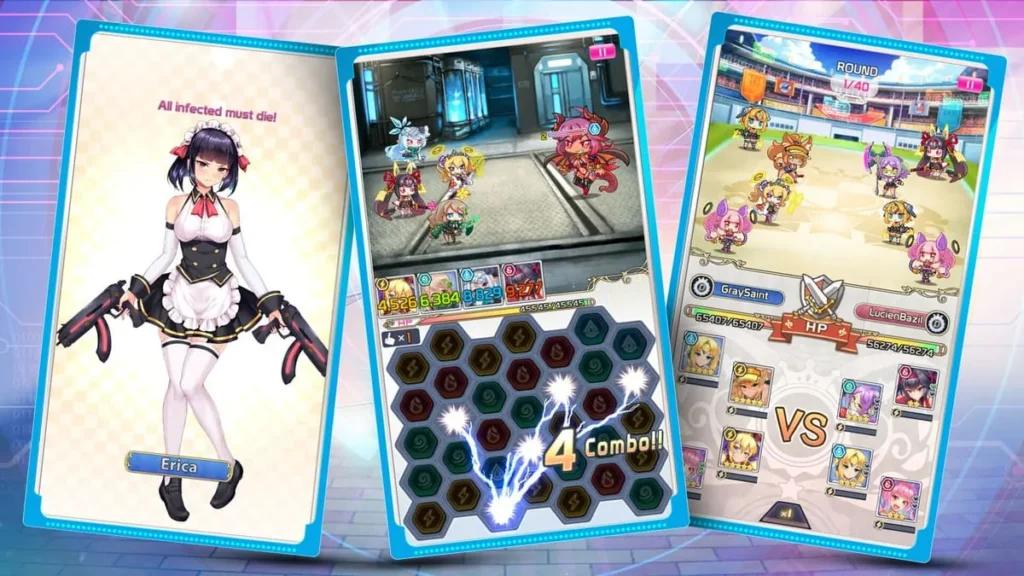
Forget everything you know about casual match-3 games. In Project QT, every swap you make on the board is a direct command to your squad. This tile-matching RPG combat system is the engine of the entire experience, and it’s deceptively deep. At first glance, you’re just matching gems of different colors. But each color is intrinsically linked to one of the characters in your four-member team.
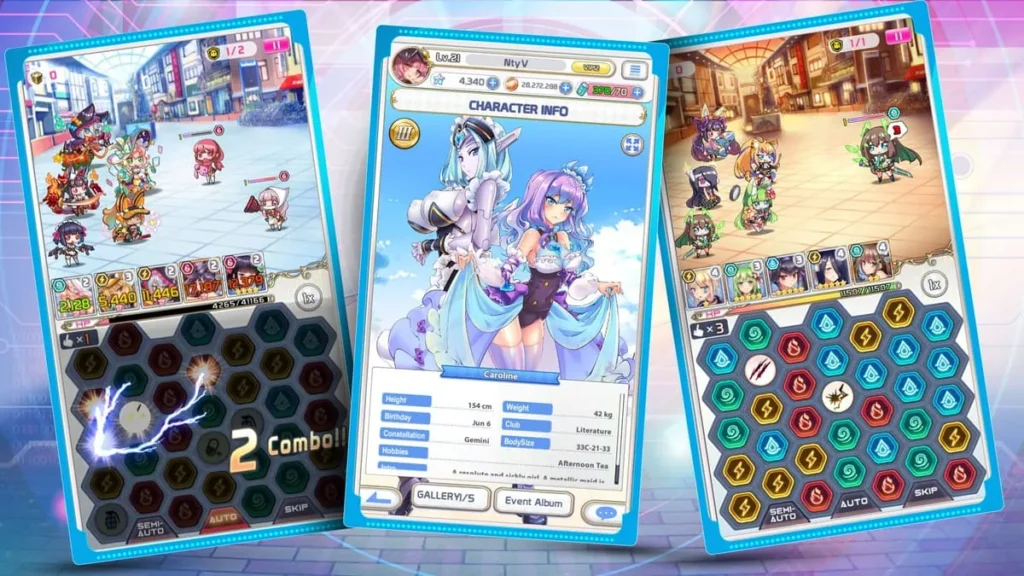
Here’s the golden rule: matching tiles charges that specific character’s skill gauge. ⚡ Make a match of three blue tiles? Your character assigned to blue gets a chunk of energy. Make a match of four or five, or trigger a cascade, and you’ll charge them even faster. This direct link between your puzzle-solving skill and your team’s combat prowess is what makes the Project QT gameplay mechanics so engaging. You’re not just watching a fight; you’re actively fueling it with every move.
Once a character’s skill gauge is full, their portrait will glow, signaling they’re ready to unleash their ability. This is where strategy kicks in. Do you fire off a powerful single-target attack immediately to take down a threatening enemy? Or do you wait a turn to use a support character’s healing ability to save your team? The timing of these activations is a huge part of mastering Project QT match-3 combat. I learned this the hard way early on—I’d get trigger-happy with my attacker’s skill, only to have my healer knocked out the next turn because I couldn’t charge her fast enough.
Pro Tip: Always keep an eye on the turn order displayed on screen. Sometimes, holding a skill for one more turn so it lands after an enemy’s big attack (or before your healer’s turn) is the key to victory.
The board itself is also a strategic tool. Special tiles, like bombs created from matching four in a row, can clear large sections and charge your entire team’s gauges a bit. Managing the board to set up these big matches while also prioritizing the colors you need most is the true puzzle. It creates a fantastic loop: combat dictates your matching priorities, and your matching success dictates the flow of combat. This seamless integration is the genius of the tile-matching RPG combat system.
Character Development and Evolution Paths Explained
While your fingers manage the board, your long-term strategy is shaped in the character menu. This is where Project QT gameplay mechanics shift from real-time tactics to thoughtful, long-term planning. Every character you recruit has her own unique character development tree, which is essentially a map of her potential. 🗺️
You don’t just “level up” a character in a linear fashion. Instead, you guide their growth along branching paths that define their role in your squad. Typically, these paths branch into three specializations: Attack, Defense, and Support. Investing evolution materials into one path will permanently enhance the character’s abilities in that direction. For instance, leveling up the Attack branch on a damage-dealing character might boost her critical hit rate, while investing in her Support branch could add a useful buff to her skill.
This is where character evolution strategies become deeply personal. Let’s say you have a character who starts with a decent attack skill. Her evolution tree might offer you a choice: double down on raw damage by going deep into the Attack branch, or diversify by putting points into the Defense branch to make her surprisingly tanky. I once took a supposedly “pure” attacker and gave her a few key Defense nodes. She survived encounters that wiped my rest of my team, allowing me to clutch out wins I had no business getting! This flexibility means you can tailor characters to fit your preferred playstyle or to counter specific challenges in the story or events.
Your character evolution strategies should also consider team synergy. There’s little point in having four incredible damage dealers if they all get wiped out by one area-of-effect attack. A balanced team covering different roles (e.g., two attackers, one defender, one healer/support) is often the most reliable approach for general progression. The character development trees allow you to fine-tune this balance. Maybe you tweak your defender to have a taunt ability, or your support to cleanse debuffs.
To make this clearer, let’s look at a comparison of the typical evolution paths:
| Evolution Path | Primary Benefits | Recommended Playstyle |
|---|---|---|
| Attack Branch | Greatly increases damage output, critical hit chance, and skill potency for offensive abilities. | Players who favor aggressive, fast-paced combat to eliminate threats quickly. Ideal for your main damage dealers. |
| Defense Branch | Boosts HP, defense stats, and may unlock damage-reduction or taunt skills. | Strategic players who want a durable frontline to protect softer allies. Crucial for surviving longer boss fights. |
| Support Branch | Enhances healing power, buff durations, debuff success rates, and energy generation for the team. | Tactical players who value sustainability and team synergy. The backbone of any squad aiming for long-term campaign progress. |
Understanding these paths is the first step. The next is mastering the economy that lets you climb them.
Progression Systems and Resource Management
The Project QT progression system is a marathon, not a sprint. It’s designed to reward consistent play, smart planning, and participation in the game’s various activities. Your progress is gated by a variety of resources, and learning how to manage them efficiently is what separates casual players from legends. 📈
Key resources include:
* Coins & EXP Drinks: The bread and butter for leveling up your characters.
* Evolution Materials: Specific items (often color-coded) needed to advance a character’s evolution tree nodes.
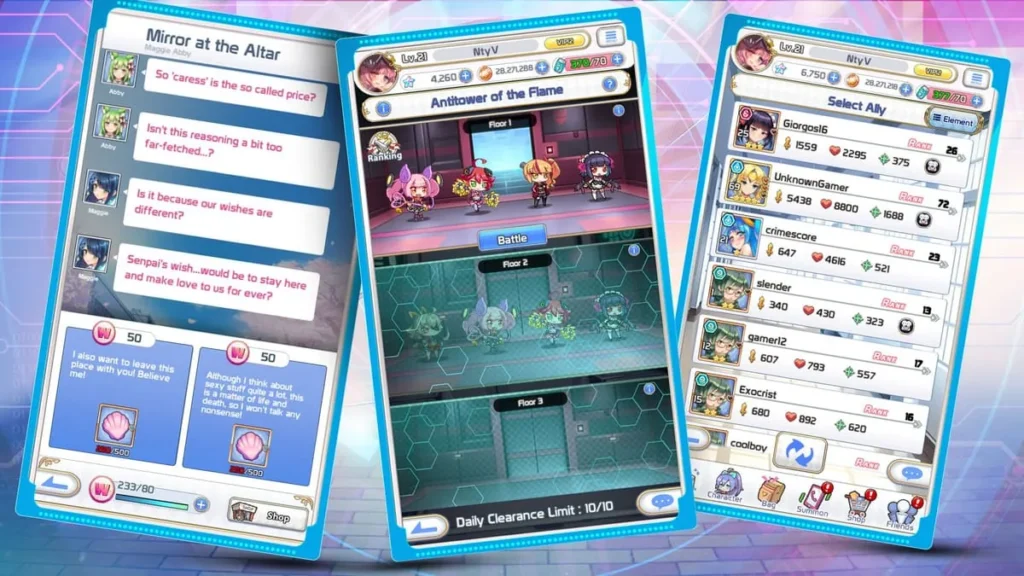
* Intimacy Items: Used to increase a character’s intimacy level, which unlocks story segments and often provides permanent stat boosts.
* Arena Coins & Event Tokens: Special currencies earned from competitive modes and time-limited events.
The most common mistake new players make—and I was guilty of this!—is spreading resources too thinly. It’s tempting to level up every new character you get, but you’ll quickly hit a wall. A core tenet of effective resource management in Project QT is to focus on a main squad of 4-6 characters. Pour your best evolution materials and EXP into them first. This concentrated power will help you clear more difficult story stages, which in turn unlocks better resource-farming stages. It’s a positive feedback loop.
Events are the lifeblood of smart resource management in Project QT. ⚡ Time-limited events almost always offer fantastic rewards for your energy investment, including rare evolution materials, summon tickets, and large amounts of coins. Prioritizing event stages over standard story farming when a good event is active is one of the best acceleration strategies in the game.
Here are some practical Resource Management Tips for new players:
- Inventory Expansion Priorities: Don’t spend precious gems on expanding your inventory early on. Use coins for small expansions if needed, but your primary gem spending should be on character summons and, crucially, stamina refills. Stamina lets you play more, farm more, and progress faster.
- Event Participation Strategies: Always complete the daily and milestone quests within an event. They guide you to the most efficient rewards. If an event has a shop, calculate what you need most (often high-tier evolution mats) and focus your event currency on that.
- Daily Routine: Never let your stamina cap out. Use it! Clear your daily dungeon runs (like the EXP and Coin dungeons) as they provide guaranteed resources. Check the Arena and complete your free fights for arena coins.
- Patience is a Resource: The Project QT progression system is built to encourage daily check-ins. Many of the best resources are available through daily login rewards and weekly missions. Playing consistently over time is more effective than frantic, inefficient bursts.
The game strikes a fair balance between free-to-play and optional monetization. You can absolutely experience the vast majority of the story and systems without spending, but progress will be steady. Monetization options typically act as accelerators, offering more summons for a wider roster or faster resource accumulation. The core Project QT gameplay mechanics and the satisfaction of the tile-matching RPG combat are fully accessible to everyone.
Ultimately, understanding these three systems—the dynamic combat, the personalized character growth, and the thoughtful economy—unlocks the true joy of Project QT. It’s a game that rewards both your quick-thinking fingers and your long-term strategic mind. Start by mastering the board, then invest wisely in your favorite characters, and always keep an eye on your resources. Do this, and you’ll not only understand the game, you’ll command it. Your journey from novice to master starts with your very next match. 🔥
Project QT delivers a compelling blend of strategic puzzle gameplay and narrative depth that distinguishes it within the mobile RPG landscape. The game’s match-3 combat system creates meaningful connections between puzzle-solving skill and tactical decision-making, while its character evolution paths offer extensive customization options for different playstyles. Understanding these core systems—from combat mechanics to character development and resource management—enables players to maximize their enjoyment and progression. Whether you’re drawn to the strategic depth of the combat system or the character customization possibilities, Project QT provides lasting engagement through its sophisticated gameplay layers. Start exploring these systems today and discover the strategic possibilities that await in your journey through the game.