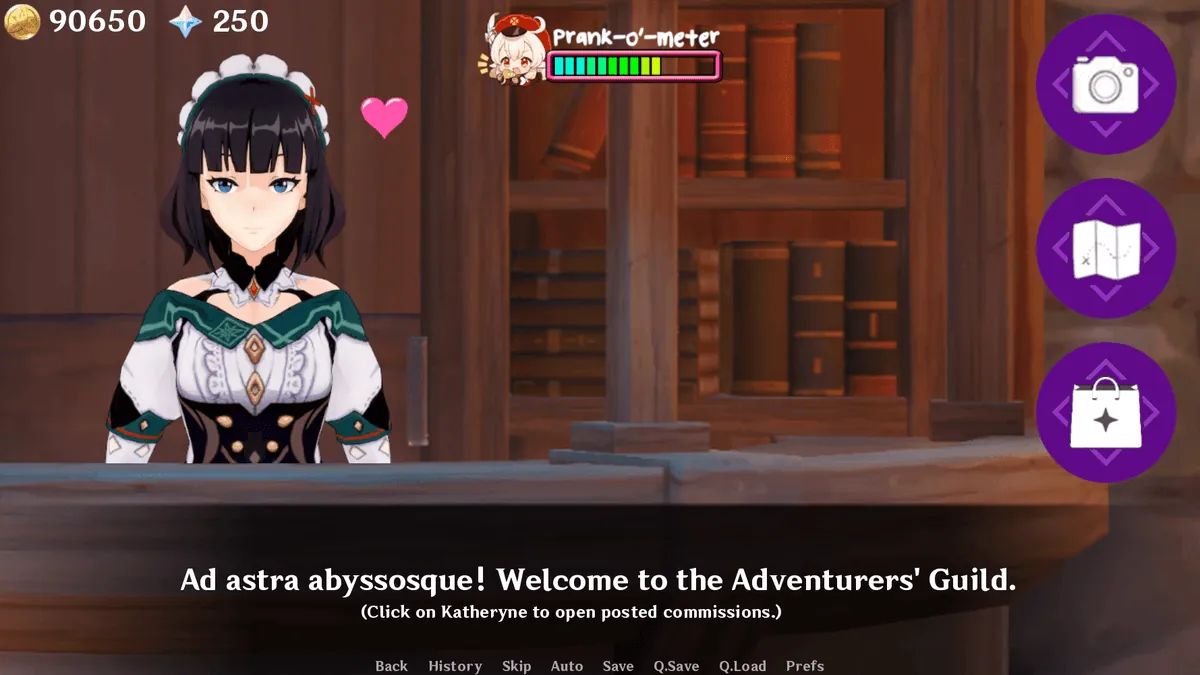
The New Me
Play The New Me
The New Me Screenshots
















The New Me review
Explore gameplay mechanics, story routes, and what makes this visual novel unique
The New Me stands out as a distinctive visual novel experience that challenges conventional genre expectations. This game offers players unprecedented customization options, allowing them to shape their protagonist’s identity throughout multiple life stages. From childhood memories to young adulthood relationships, The New Me delivers an immersive narrative experience with branching storylines and meaningful player choices. Whether you’re new to visual novels or a seasoned fan, understanding what makes this game special requires exploring its innovative mechanics, flexible character development system, and emotionally resonant storytelling that has captivated players worldwide.
Gameplay Mechanics and Core Features
Ever picked up a visual novel, made what you thought was a meaningful choice, only to realize later it was just a cosmetic flavor text change? 😤 I know I have. You get invested in a character, carefully select dialogue options you think they’ll love, and then… the story railroads you down the exact same path anyway. It can feel like your agency is just an illusion. If you’re fed up with that, then The New Me gameplay mechanics are about to be your new best friend.
This isn’t your standard dating sim. The New Me builds its entire world around the principle that your choices don’t just suggest the story—they are the story. From the moment you begin, you’re not just guiding a protagonist; you’re fundamentally shaping a person, their relationships, and their future across decades. The genius of its systems lies in how they talk to each other, creating a web of cause and effect that feels startlingly real. Let’s dive into the core features that make this branching narrative game a masterpiece of player-driven storytelling.
How The New Me’s Choice System Works
At the heart of everything is The New Me’s brilliant and transparent visual novel choice system. Forget vague, guesswork responses. This game shows you the strings, and then hands you the scissors. Every meaningful interaction in the game feeds into a dynamic relationship tracking system, most notably visualized through affection points.
Here’s how it works in practice: When you speak to a key character, your dialogue options often come with clear, upfront tags. You might see something like:
* [Share a Memory] - Will resonate with Alex.
* [Challenge Playfully] - Might amuse Sam.
* [Offer Practical Help] - Will earn Riley's respect.
Choosing that option will directly increase your affection level with that specific character. But it’s not just about piling on points. The system is nuanced. Some choices can decrease affection with one person while increasing it with another, reflecting the complex social dynamics of real life. Maybe siding with your childhood best friend in an argument cools your relationship with their sibling. The game remembers.
This all feeds directly into affection points story branches. Think of affection not as a simple score to max out, but as a key that unlocks different doors in the narrative. Reach a certain threshold with a character by a pivotal story chapter, and a unique scene, conversation, or even an entire story arc becomes available. Miss it, and that path remains closed, potentially altering the trajectory of your entire playthrough. It turns every conversation into a strategic, emotional investment.
My Pro Tip: Don’t try to make everyone happy on your first run. I did, and I ended up on a strangely neutral, unsatisfying path. Pick 1-2 characters whose personalities genuinely intrigue you and focus your choices on them. The narrative payoff is infinitely richer.
What makes the system truly sing is the app-based framing device. The entire game is presented as a mysterious life-simulation app on your phone. This isn’t just a cute gimmick; it’s central to the immersion. Notifications pop up with character thoughts, your relationship statuses are displayed in a clean social feed, and your “life milestones” are saved in a profile. This interface brilliantly makes the visual novel character development mechanics feel tangible and modern.
Key Gameplay Features Checklist:
✅ Transparent Choice Tags: See the potential impact of your dialogue.
✅ Dynamic Affection Tracking: Every relationship is individually quantified and tracked.
✅ Milestone-Based Branching: Points unlock critical narrative junctions.
✅ App-Based Interface: The UI is diegetic, enhancing immersion.
✅ Long-Term Memory: The game recalls minor choices for callback scenes.
Character Customization and Identity Expression
If the choice system is the game’s brain, then the character customization is its heart and soul. Most games in the genre offer a name change and call it a day. The New Me goes so, so much further, offering what might be the most respectful and comprehensive character customization visual novel system I’ve ever seen. 🏳️🌈✨
This goes far beyond picking a hairstyle. From the very first screen, you are in control of your protagonist’s fundamental identity. You set your pronouns (with a full custom field available), and then you describe your body—not with presets, but with descriptive, narrative-friendly terms for your build, height, and other features. The game then does something magical: it acknowledges these details in the story text itself.
But the real masterstroke is that this customization isn’t static. The game follows your character from childhood to adulthood. You get to make these key identity choices at different life stages. The shy, smaller kid you describe at age 10 is the person the other characters grow up with. Then, during the teenage years, you have the option to revisit and adjust these descriptors, reflecting the very real journey of self-discovery. The narrative seamlessly incorporates the “you” that you’ve built.
Let’s look at a powerful example of how a childhood choice creates a callback in adulthood:
In one of my playthroughs, during a childhood summer festival scene, I had the choice to be fascinated by the fireworks or find them a bit scary. I chose to have my character be utterly enchanted, describing them as “painted light.” Fast-forward over a decade later, as an adult navigating a complex relationship moment with Alex, we were at another festival. Alex turned to me and said, “You still get that same wonderstruck look watching fireworks that you did when we were kids. I’ve always loved that about you.” My jaw dropped. That tiny, seemingly inconsequential choice from years prior had been remembered and woven back into the character’s understanding of me. This is the level of detail we’re talking about.
The game’s commitment to this is shown in how it handles identity. If you customize your protagonist to be trans, non-binary, or otherwise diverge from a presumed “default,” the game’s narrative acknowledges this in thoughtful, contextual ways. It might be a moment of childhood questioning, a supportive conversation with a friend, or simply the use of your correct pronouns in every single line of dialogue. It’s not treated as a “plot point” unless you want it to be; it’s treated as who you are. This profound level of integration makes the visual novel character development feel deeply personal and authentic.
Story Routes and Branching Narratives
This is where all the systems converge into pure narrative magic. The New Me isn’t a game with one story and a few different endings. It’s a tapestry of interconnected lives, offering a stunning array of story routes and branching narratives. Your accumulated affection points, your customized identity, and your key life choices all determine which path you walk.
Pursuing a route isn’t just about declaring romantic interest. It’s about shared history, mutual support, and aligned values. You might find your deepest connection is with a childhood friend you help through family struggles, leading to a profoundly close, entirely platonic life partnership. Conversely, you might spark a slow-burn romance with someone you initially clash with, built on years of competitive banish that turns into respect and love. The game brilliantly subverts genre expectations by making every type of love valid and narratively fulfilling.
To help you navigate, here’s a breakdown of the primary route categories:
| Route Type | How It’s Triggered | Narrative Focus |
|---|---|---|
| Deep Friendship | Consistently choosing supportive, loyal options; reaching high affection without romantic cues. | Shared growth, unwavering platonic support, building a life as chosen family. |
| Slow-Burn Romance | Building affection through shared interests and emotional vulnerability over many years. | Natural progression from friends to partners, dealing with past baggage together. |
| Passionate Romance | Making bold, flirty, or explicitly romantic choices when the opportunity arises. | Intense emotional and physical connection, navigating the highs and lows of a whirlwind relationship. |
| Independent Focus | Balancing relationships while prioritizing self-discovery and career choices. | Personal ambition and identity, maintaining bonds while chasing individual dreams. |
A The New Me routes guide is essential because the branches are so plentiful. You might start on the path with Alex, but a major life decision—like choosing which university to attend or how to handle a family crisis—could pivot you toward Riley’s storyline. The game constantly presents crossroads that feel organic to the coming-of-age experience.
| Character | Core Route Themes | Key Branching Moment |
|---|---|---|
| Alex | Healing from past trauma, building trust, creative partnership. | Choosing to visit their art show vs. attending a practical career event. |
| Sam | Playful rivalry maturing into respect, balancing ambition with connection. | Deciding to collaborate or compete on a major project. |
| Riley | Quiet understanding, non-verbal support, building a secure foundation. | How you support them during a period of family silence. |
This flexibility is the crown jewel of The New Me gameplay mechanics. There is no “golden” or “true” route. The “best” ending is the one that feels most true to the person you crafted and the choices you made. Want to play as a fiercely independent artist who maintains deep friendships but never settles down? You can. Want to guide your character through the turmoil of young adulthood into the arms of their childhood sweetheart? You can. The game’s systems support it all, creating a branching narrative game where your fingerprint is on every page.
In the end, The New Me is more than a game; it’s an experiment in identity and consequence. Its mechanics work in silent harmony to convince you that this digital life, built from your choices and your self-expression, matters. It proves that the most powerful stories aren’t the ones we’re told, but the ones we actively, thoughtfully build for ourselves, one genuine choice at a time.
The New Me represents a significant evolution in visual novel design, prioritizing player agency and authentic character expression over genre conventions. By combining flexible customization, meaningful choice systems, and emotionally resonant storytelling, the game creates a uniquely personal experience for each player. The innovative app-based framing and callback system ensure that early decisions continue to matter throughout the narrative, while the option to pursue non-romantic relationships demonstrates the game’s commitment to player freedom. Whether you’re drawn to the deep character routes, the innovative mechanics, or the emotional storytelling, The New Me offers a compelling experience that respects player choice and celebrates diverse relationship types. For anyone interested in modern visual novels that prioritize meaningful narratives and player agency, exploring The New Me’s multiple routes and story branches reveals why this game has resonated with players seeking something beyond traditional genre expectations.