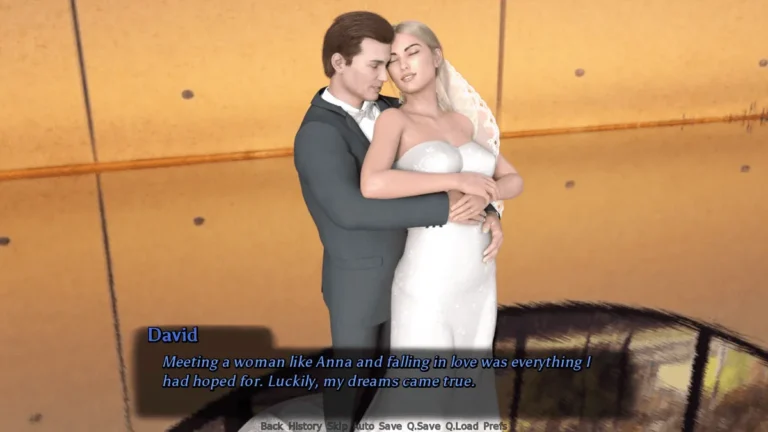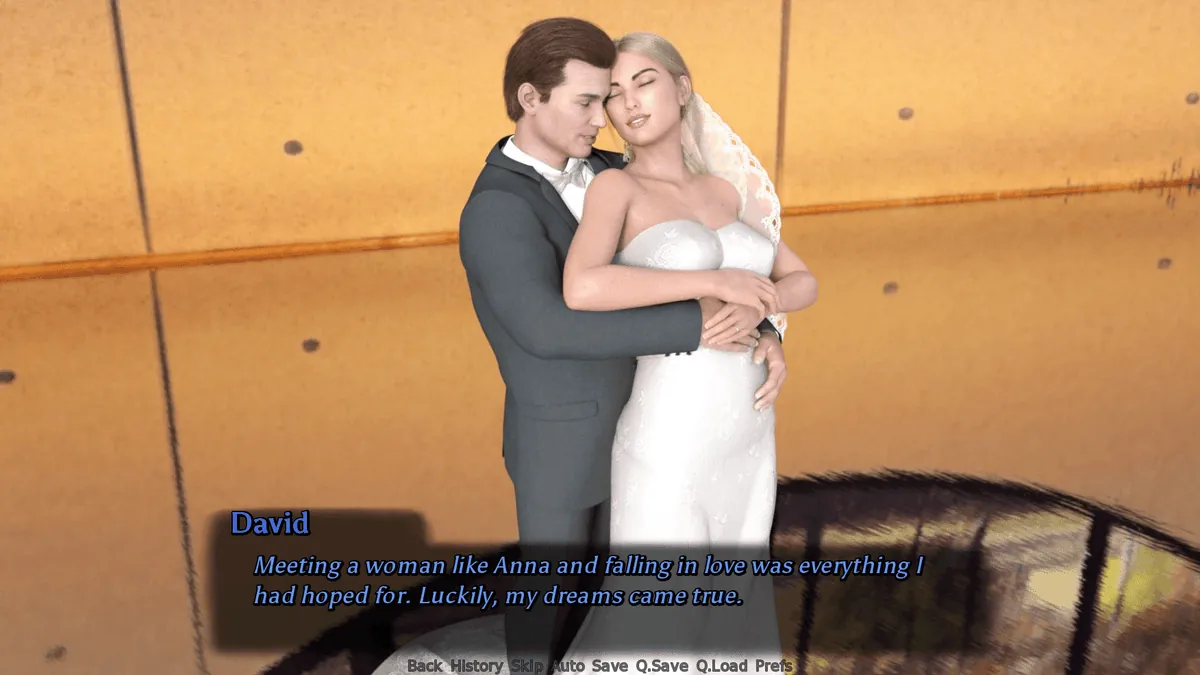
A Perfect Marriage
Play A Perfect Marriage
A Perfect Marriage Screenshots






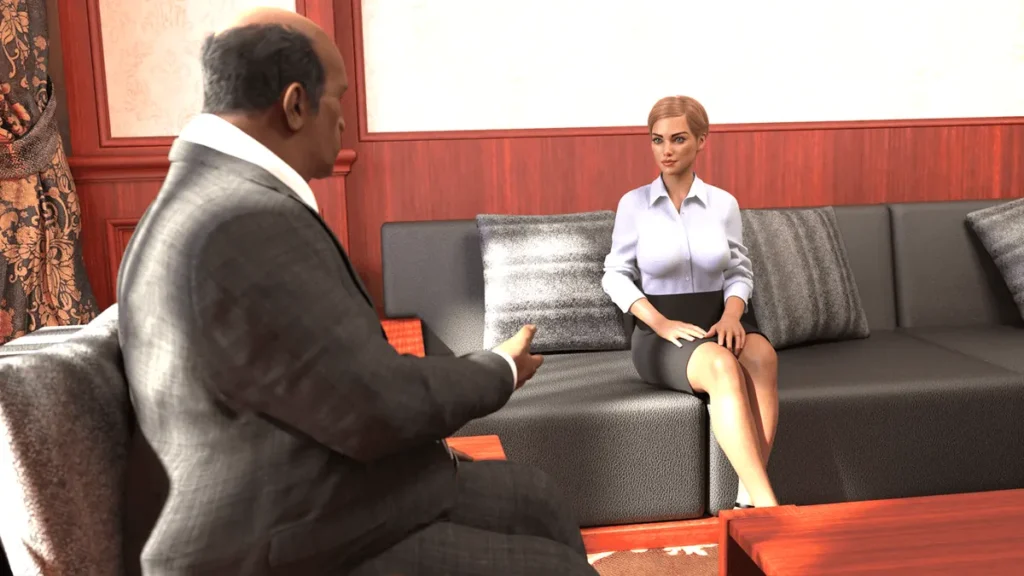
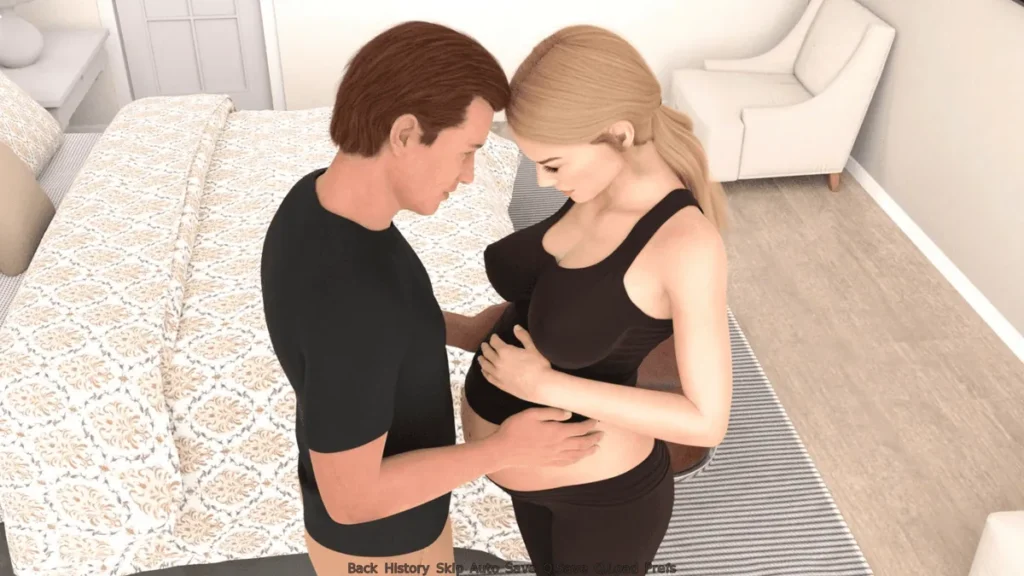

A Perfect Marriage review
Explore how branching storylines and dual-perspective mechanics create a psychologically complex visual novel experience
A Perfect Marriage stands out in the visual novel landscape as a narrative-driven experience that goes beyond surface-level storytelling. This interactive fiction explores the intricate dynamics of Anna and David Parker’s relationship through a unique dual-perspective system that lets players experience the story from both spouses’ viewpoints. The game’s sophisticated choice-tracking system monitors variables like Corruption, Loyalty, Jealousy, and Affection, ensuring that every decision—from trivial comments to major moral dilemmas—shapes the couple’s fate. Whether you’re drawn to relationship simulations, branching narratives, or psychologically complex storytelling, A Perfect Marriage offers a compelling exploration of marital dynamics through interactive gameplay.
Understanding A Perfect Marriage: Core Gameplay Mechanics and Story Framework
Ever played a visual novel and felt like you were only getting half the story? 😕 You make a choice, the story lurches forward, but you’re left wondering, “What was really going on in their head?” Most games give you a single lens to view the world, leaving the inner lives of other characters as mysterious as they are in real life.
A Perfect Marriage shatters that limitation. This isn’t a fairy-tale romance about finding “the one.” This is a raw, intimate simulator of keeping “the one,” with all the quiet resentments, unspoken fears, and delicate compromises that entails. 🏠 Its genius lies in two intertwined pillars: a revolutionary dual perspective gameplay system and a ruthlessly detailed choice-driven narrative visual novel framework. Together, they create a psychological deep dive that feels less like playing a game and more like living a life.
Let’s pull back the curtain on the A Perfect Marriage game mechanics that make this such a hauntingly personal experience.
What Makes A Perfect Marriage Different: The Dual-Perspective System
At its heart, the interactive story decision system in A Perfect Marriage is built on a simple but profound idea: truth in a relationship is not singular. Your reality is shaped by whether you’re seeing the world through Anna’s eyes or David’s.
This character perspective switching isn’t just a cute narrative trick. It’s the core engine of empathy and tension. One moment, you’re Anna, a driven professional who shows love by keeping the household perfect. You feel the simmering frustration when David leaves a dish in the sink, interpreting it as a lack of respect for your efforts. The next, you switch to David, a man grappling with his own insecurities and pressures. That same dish in the sink? From his viewpoint, it was an honest mistake after a draining day, now ballooning into yet another thing he’s failed at.
This constant flip in viewpoint teaches you a brutal lesson: in marriage, the “problem” is rarely the actual event. The problem is the canyon of misunderstanding between two people’s interpretations of it.
The game forces you to live in that canyon. You don’t just hear about their conflicts; you inhabit both sides of them. This dual perspective gameplay means every decision carries double the weight. An action that seems perfectly justified as Anna can feel like a cruel betrayal when you later experience it as David. This mechanic is the ultimate answer to the question, “What were you thinking?!”—because you literally get to find out.
How Choice-Driven Narratives Shape Your Story
If the dual perspective is the lens, then the relationship simulation choices are the paintbrush you use to color the entire story. Forget grand, life-or-death decisions. A Perfect Marriage finds its drama in the domestic, the mundane choices that actually define our daily lives. Do you compliment David’s cooking, or criticize the over-salted sauce? 🍲 Do you accept a flirtatious drink from a charming coworker at the office party, or shut it down firmly?
These aren’t just flavor text. Every single choice feeds into a hidden, dynamic stat system tracking four key pillars of the relationship: Corruption, Loyalty, Jealousy, and Affection. The game is constantly watching, judging, and remembering. This is where you see the profound branching storyline consequences in action.
A small, irritable comment in Chapter 2 doesn’t just vanish. It might seed a point of Jealousy in David. Five chapters later, when Anna stays late at work, that stored Jealousy statistic will directly influence David’s internal monologue and the options available to you, potentially transforming a simple miscommunication into a full-blown crisis of trust.
Let’s look at a powerful example: the subplot involving libido-enhancing pills. 💊
* From Anna’s Perspective: You might find the pills and choose to acquire them. Your internal logic is one of proactive care, a practical solution to spark intimacy. It feels like an act of service, of trying to fix a problem.
* From David’s Perspective: Later, when you switch to him, discovering the pills can be soul-crushing. The player, who just made that choice as Anna, now must sit with David’s internal devastation—the shame, the performance anxiety, the feeling of being seen as broken. This dual perspective gameplay exposes the heartbreaking gap between intent and impact.
To visualize how these A Perfect Marriage game mechanics weave together, here’s a breakdown of specific relationship simulation choices and their ripple effects:
| Choice & Perspective | Immediate Consequence | Potential Long-Term Story Impact |
|---|---|---|
| As Anna: Accept the neighbor’s flirtatious invite for coffee. | Small boost to Anna’s Corruption. David’s Jealousy stat is tagged for later. | Weeks later, David may become suspicious of all Anna’s “errands.” Can unlock confrontational scenes or secretive behavior paths. |
| As David: Confess a hidden debt to Anna. | Major hit to David’s Loyalty meter. Triggers an intense argument scene. | Fundamentally alters Anna’s trust. Can lead to her taking control of finances (pragmatic path) or using it as emotional ammunition in future fights (decay path). |
| As Anna: Reject intimacy after a hard work day. | Decrease in mutual Affection. David’s internal dialogue becomes more distant. | Contributes to a “roommate” dynamic. Over time, makes rekindling physical connection much harder, locking off romantic reconciliation endings. |
The beauty—and terror—of this choice-driven narrative visual novel is the absence of a guidebook. There is no single “correct” path. The game’s interactive story decision system is designed to reflect life: you make the best choice you can with the information and emotional state you have in the moment. The branching storyline consequences are yours to own, leading to conclusions that range from a renewed, stronger partnership to a cold, pragmatic co-existence, or even a dramatic and painful separation.
Character Development: Anna and David Parker’s Psychological Depth
The mechanics would be hollow without the complex souls at their center. Anna and David Parker aren’t archetypes; they are meticulously crafted psychological portraits. You don’t just control them; you come to understand them, which makes the relationship simulation choices infinitely more compelling.
Anna is the organized force. 🧹💼 Her love language is Acts of Service. A clean house, a planned future, a solved problem—these are her declarations of love. But beneath that competent exterior lies a deep fear of chaos and a vulnerability she struggles to show. Playing as Anna, you feel the weight of her emotional labor. The game tracks your alignment with her desire for control and order, and straying too far from it (through reckless choices) feels authentically dissonant.
David is the more emotionally intuitive but often passive partner. 🎨 His arc is frequently one of seeking purpose and feeling “enough.” He craves verbal affirmation and quality time, things Anna often overlooks in her drive to provide. His Corruption stat isn’t just about infidelity; it’s about giving up on the marriage’s emotional core and seeking validation elsewhere. Guiding David means navigating his tendency toward avoidance and helping him find his voice—or succumb to his resentments.
The A Perfect Marriage game mechanics of stat tracking are, in essence, tracking your alignment with each character’s core values. Are you fostering Anna’s need for security? Are you nurturing David’s need for appreciation? The ending you receive is a direct report card on how well you managed these often-competing psychological needs.
The famous party scene, where Anna’s coworker flirts with her, is a masterclass in this. As Anna, do you enjoy the harmless, ego-boosting attention, or immediately reference your husband? As David, watching from across the room, does your Jealousy stat fuel a scene, or does your Affection stat allow you to trust your wife? The game presents no easy answers, only the branching storyline consequences of your emotional management.
In the end, A Perfect Marriage uses its dual perspective gameplay and deep choice-driven narrative visual novel design to achieve something rare: it makes you a participant in a relationship’s fragile ecosystem. You feel the weight of every glance, the cost of every harsh word, and the quiet triumph of every genuine connection. It’s more than a game about marriage; it’s a profound simulation of the choices that build—or erode—the life shared between two people.
A Perfect Marriage represents a sophisticated evolution in narrative-driven gaming, proving that adult content can coexist with genuine psychological depth and meaningful storytelling. The game’s dual-perspective system transforms what could be a simple branching narrative into a profound exploration of marital dynamics, where players experience the same events through fundamentally different emotional lenses. By tracking variables like Corruption, Loyalty, Jealousy, and Affection, the game ensures that every choice—from seemingly trivial comments to major moral dilemmas—carries weight and consequence. The integration of animated scenes as emotional turning points rather than mere rewards demonstrates how adult gaming can achieve artistic merit. Whether you’re drawn to relationship simulations, complex narratives, or psychologically compelling storytelling, A Perfect Marriage offers a compelling interactive experience that respects player agency while delivering meaningful consequences. The game’s 30+ hours of content, multiple endings, and achievement system encourage repeated playthroughs, each revealing new layers of character psychology and narrative possibility. For players seeking mature, choice-driven experiences that challenge conventional storytelling, A Perfect Marriage stands as a testament to what interactive fiction can achieve.