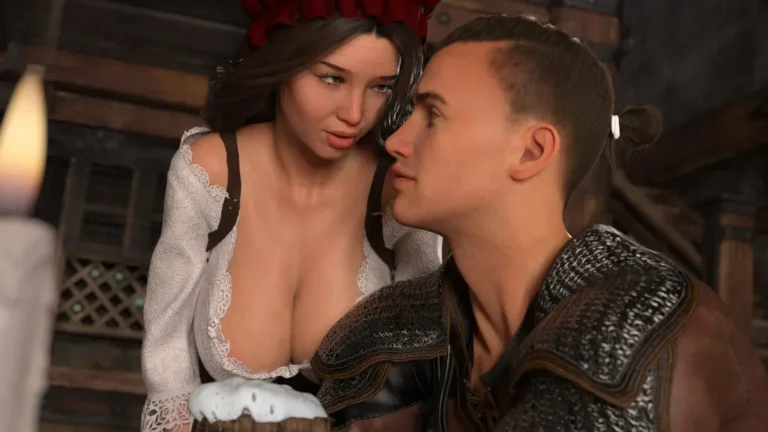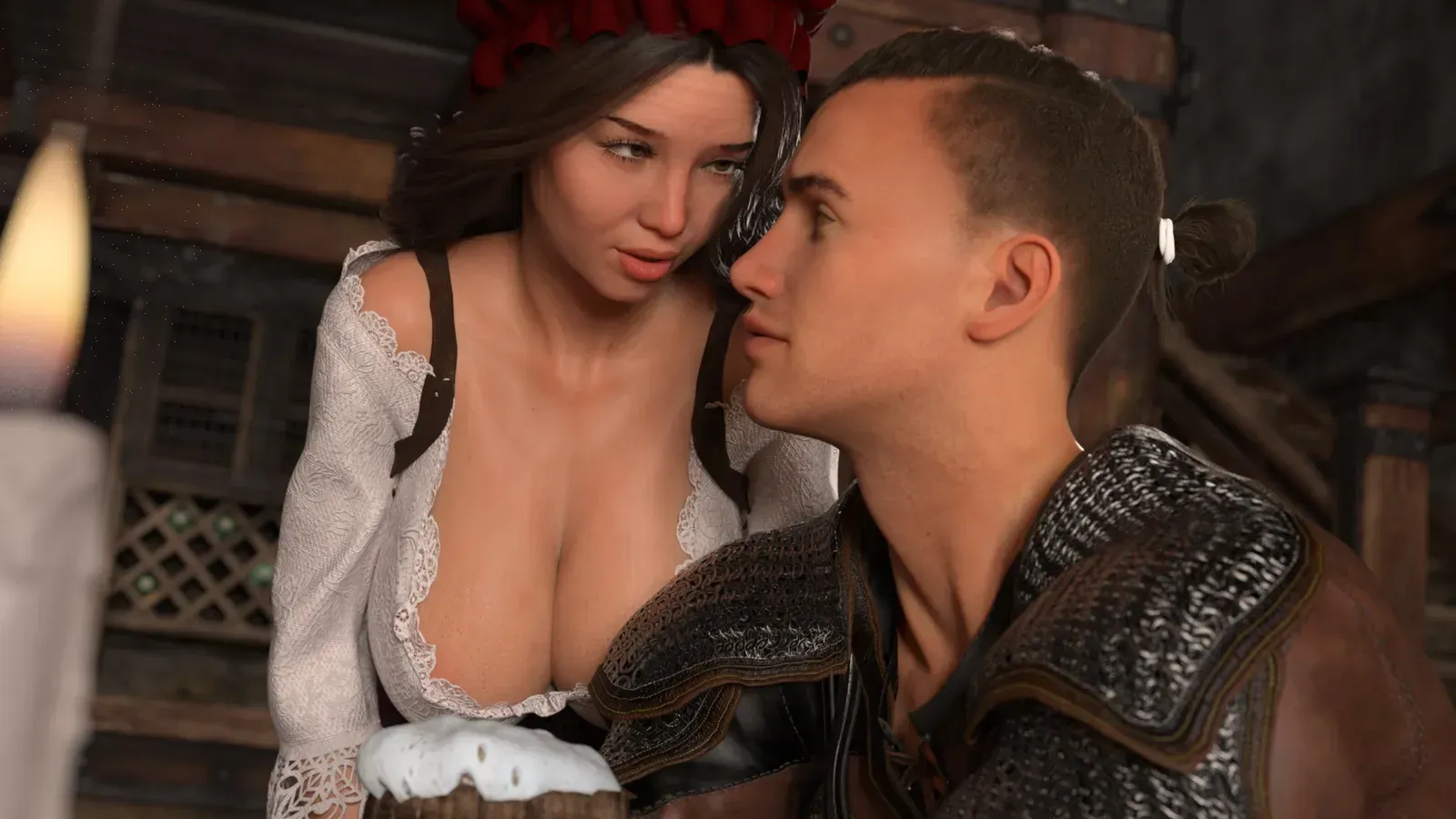
Blood of the Dragon
Play Blood of the Dragon
Blood of the Dragon Screenshots
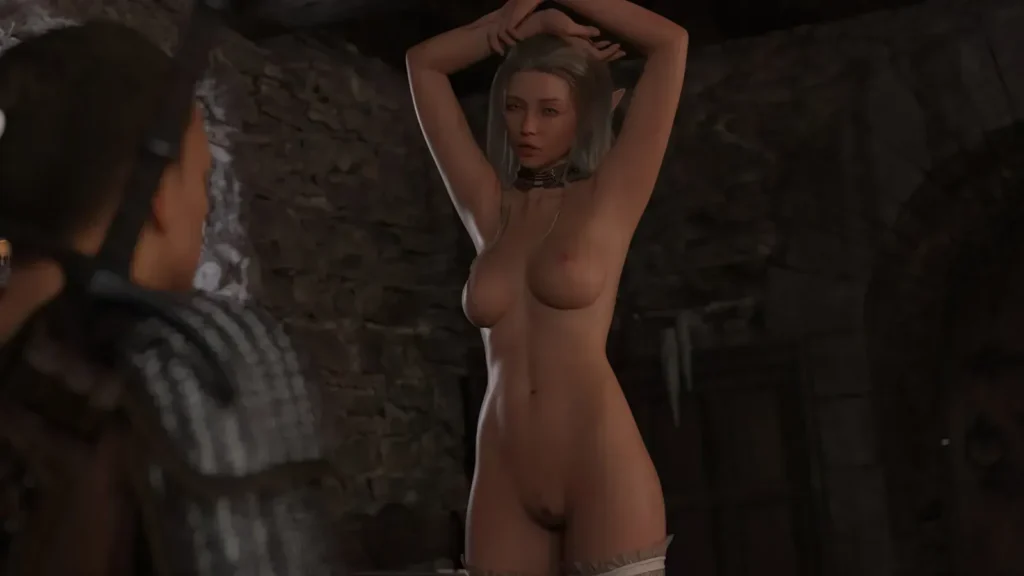

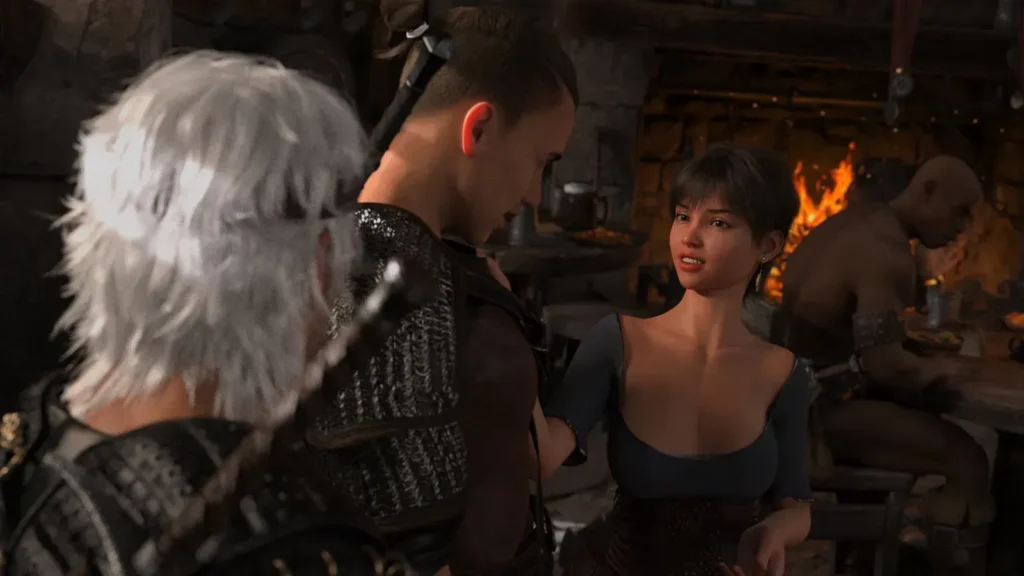

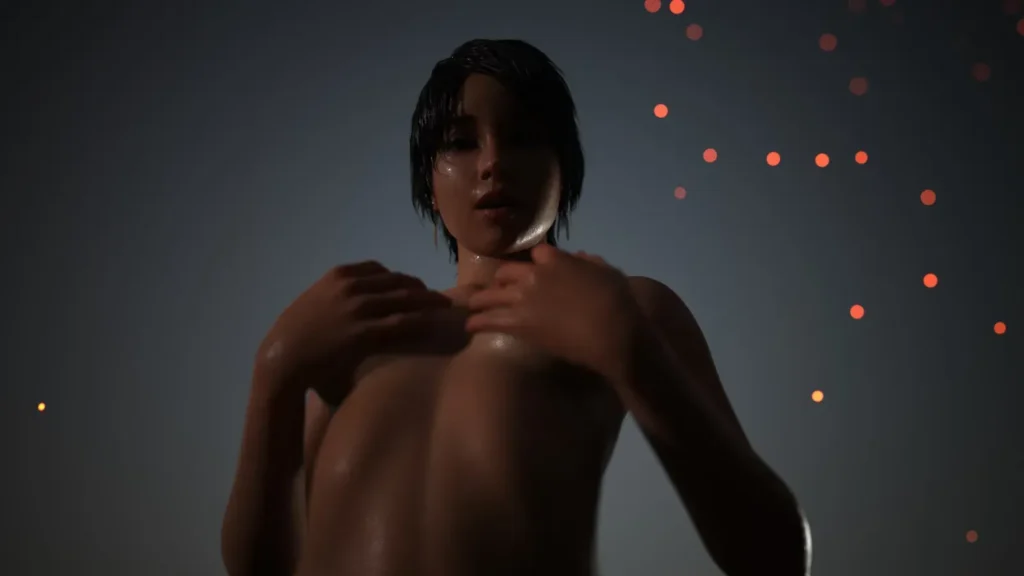
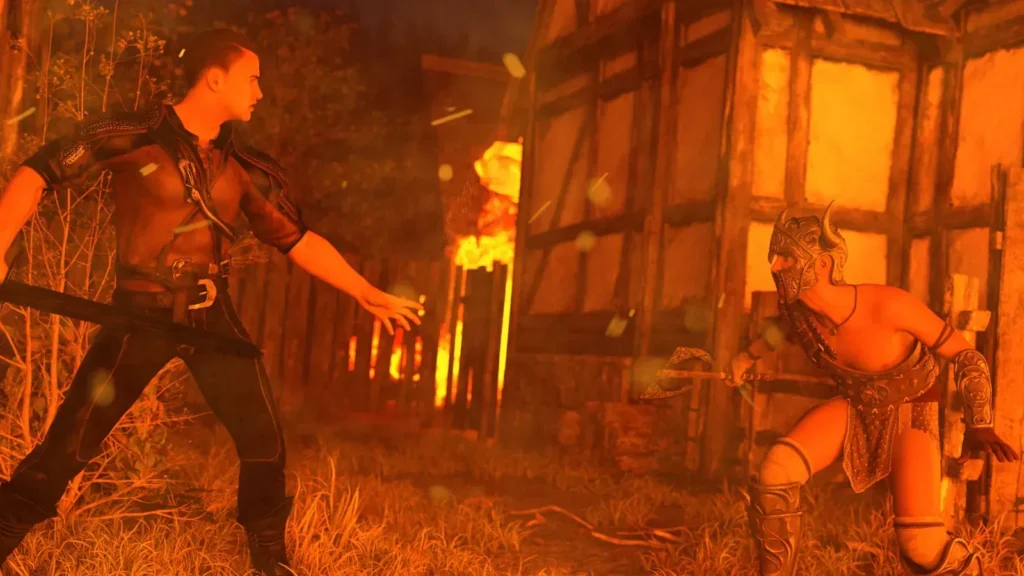
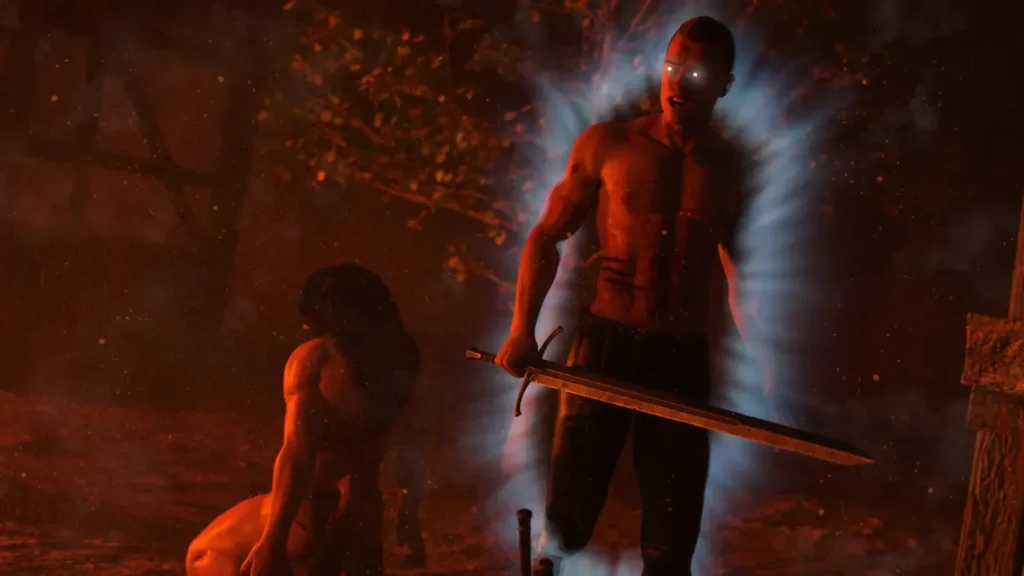
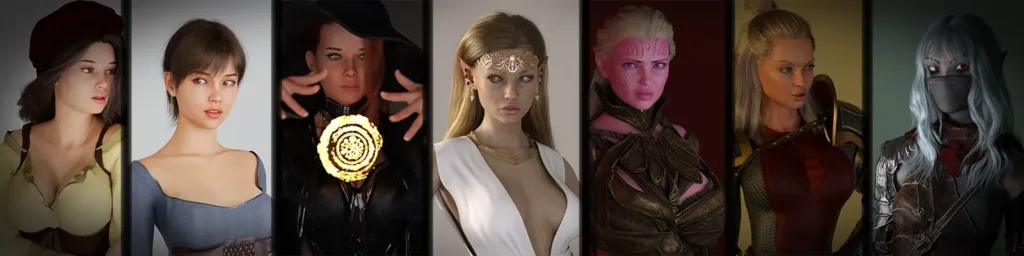
Blood of the Dragon review
A focused look at story, gameplay, characters, and how to get started
Blood of the Dragon is a niche adult game that draws attention because of its fantasy setting, character-driven progression, and scene-based gameplay. If you are searching for Blood of the Dragon, you likely want a straightforward explanation of what the game offers, how it plays, and whether it is worth your time. This article is structured to give you exactly that: a practical, game-focused overview with enough detail to help you understand the experience before you start playing. I will also highlight the parts that matter most to new players, so you can quickly decide whether this title matches your preferences.
What Is Blood of the Dragon?
What kind of game is Blood of the Dragon?
Let me paint you a picture. You fire up Blood of the Dragon for the first time, and within moments, the screen goes dark. A single line of text appears: “The dragon does not wake for the worthy. It wakes for those who remain.” That’s the moment you realize this isn’t just another game. This is a deliberate, slow-burn experience built for adults who want their fantasy served with complexity and consequence.
Blood of the Dragon is a narrative-driven adult fantasy game that blends visual novel elements with branching choice systems and light strategic progression. You don’t rush through levels here. Instead, you navigate a world where political intrigue, personal relationships, and the looming shadow of ancient power shape every step you take. The game positions itself firmly in the fantasy adult game space, but it doesn’t rely on shock value. It earns its mature rating through layered storytelling and morally ambiguous decisions.
The setting is a fractured kingdom called Verath, where the last dragon has been dormant for centuries. You step into the role of Kaelen, a disgraced scholar who stumbles upon a forbidden ritual that reawakens the beast. From there, the story spirals into a web of faction warfare, forbidden magic, and choices that genuinely weigh on you long after you close the game.
Here’s what a new player notices in the opening minutes:
- The atmosphere hits first. The soundtrack is sparse but haunting, with strings that swell at exactly the right moment.
- The writing doesn’t hold your hand. Characters speak in full sentences, and the dialogue expects you to pay attention.
- The choices matter from scene one. A decision about whether to hide your discovery or share it with a local captain alters the first major alliance you form.
- The presentation is polished without being flashy. Hand-drawn character portraits and muted color palettes give everything a grounded, almost gritty feel.
I remember booting it up for the first time and thinking, “Okay, this is different.” Most games in this genre throw you into action immediately. Blood of the Dragon lets you breathe. It trusts you to stick around because the story hooks you, not because a timer is ticking.
Why do players search for Blood of the Dragon?
People don’t stumble into Blood of the Dragon by accident. They come looking for something specific. The search volume around this title tells a clear story: players want a fantasy adult game that respects their intelligence and delivers on immersion.
Let’s break down the main reasons players search for this game:
| Reason | Why It Matters |
|---|---|
| Mature storytelling | The narrative tackles betrayal, sacrifice, and moral gray zones. No clear heroes or villains. |
| Fantasy atmosphere | The world of Verath feels lived in. Lore is woven into dialogue and environment, not dropped in wall-of-text codex entries. |
| Adult-focused content | Romance and intimacy scenes exist, but they serve the story and character development. They are not gratuitous or disconnected. |
| Character progression | You grow Kaelen through skill trees tied to dialogue and exploration, not just combat. Choices shape abilities. |
| Replay value | Branching paths and hidden outcomes mean no two playthroughs feel identical. |
The Blood of the Dragon story is the central draw. It begins with a simple premise—a scholar awakens a dragon—but spirals into questions about power, destiny, and whether some secrets are better left buried. The narrative structure uses a classic three-act format, but the middle act is where the game truly shines. Faction allegiances shift, characters reveal hidden motivations, and your earlier decisions come back to reward or haunt you.
Players also search for Blood of the Dragon because they want choice with weight. In many games, choosing between “save the village” or “let it burn” feels hollow because the outcome barely changes the world. Here, a decision to spare a rival early on might mean they return to save your hide in the final act. Or they might return to bury you. The game tracks these threads carefully, and it shows.
One thing I found surprising during my first playthrough: the game doesn’t punish you for making “bad” choices. Instead, it twists the story in fascinating directions. My Kaelen was a paranoid, distrustful character by the end of act two because I kept alienating allies. The story adapted. That kind of reactivity is rare and deeply satisfying.
What makes Blood of the Dragon stand out?
Let me give you the short answer: Blood of the Dragon stands out because it treats its audience like intelligent adults who want a story that challenges them. The Blood of the Dragon overview would be incomplete without emphasizing how rare that is in the adult fantasy game space.
Here is a comparison that puts things in perspective:
| Feature | Typical Fantasy Game | Blood of the Dragon |
|---|---|---|
| Story branching | Two or three fixed paths with minor variations | Multiple hidden threads that interconnect across acts |
| Adult content | Often separate or optional, feels added on | Integrated into character arcs and plot progression |
| Character depth | Archetypes that rarely surprise you | Flawed, evolving characters with conflicting motives |
| World-building | Info dumps and lore books | Organic discovery through dialogue and environment |
| Progression | Combat-focused leveling | Dialogue, exploration, and faction-based growth |
What truly sets this game apart is the writing quality. The dialogue flows naturally, and the characters feel like real people with real struggles. You will genuinely hesitate before making certain choices because you understand the consequences on a personal level. That emotional investment is rare.
Another standout element is the mystery structure. The reawakening of the dragon is not a straightforward plot device. The game withholds information at exactly the right moments, feeding you clues through dream sequences, ancient texts, and cryptic remarks from NPCs. Piecing together the truth feels like solving a puzzle, not following a checklist.
The sound design also deserves mention. During tense scenes, the audio drops to near silence, amplifying the weight of your next click. I recall a moment where I had to decide the fate of a captured soldier, and the only sound was the wind howling through a broken window. Small touches like that elevate the entire experience.
For anyone searching for a fantasy adult game that respects their time and intelligence, Blood of the Dragon delivers on every front. It is a game built for people who want to get lost in a world, think deeply about their choices, and feel something real when the credits roll.
Blood of the Dragon stands out for readers who want a fantasy-driven adult game with a strong sense of atmosphere, character focus, and progression. If you are curious about the game, the most useful approach is to start with its premise, then pay attention to how its choices, pacing, and presentation shape the experience. The more you explore it patiently, the more the game’s tone and structure tend to reveal themselves. If this is the kind of title that matches your taste, it is worth approaching with an open mind and a bit of time to settle into its world.